



Our Production
Craftsmanship Instead of Mass Production
At Nordlys Viking, we always choose craftsmanship over mass production. Every product is created by artisans working with traditional methods — forging, casting, horn working, sewing, woodworking — techniques refined over generations.
Material choice is the foundation of everything we do. We use natural materials and by-products: horn that would otherwise be discarded, recycled iron and brass, vegetable-tanned leather, handmade cotton fibre paper. Every material has a story and every choice is made consciously.
On this page, we tell you about the materials we work with and how they are transformed into finished products — from raw material to what you hold in your hand.
Our Materials
Every material we work with is chosen for its quality, durability and history. Below, we tell you more about the raw materials that form the foundation of our range — and how they are crafted by our artisans.

Horn
From Cow Horn to Art
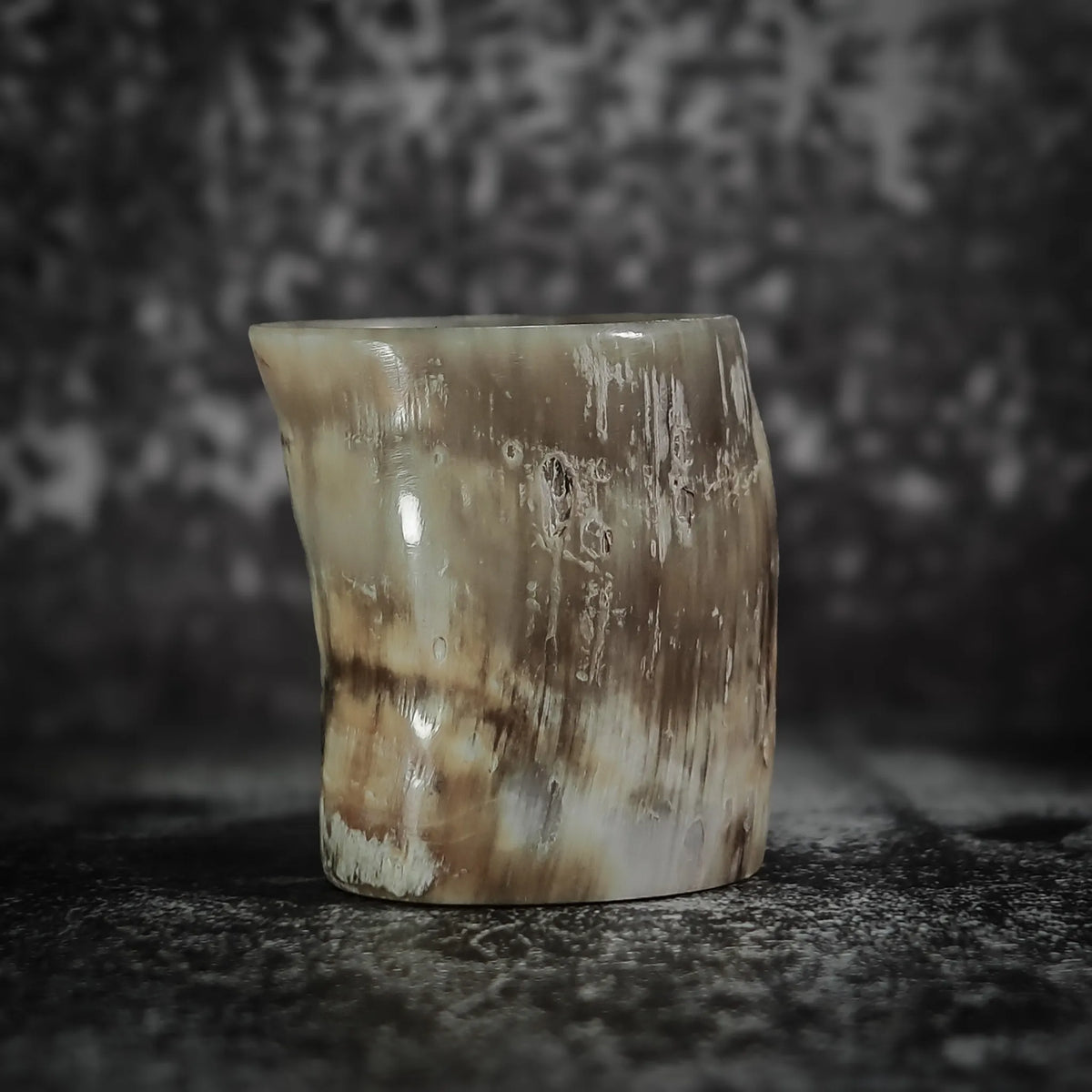
Horn is one of our most beloved materials — a natural material used by craftspeople for millennia. Cow horn is a by-product of the meat industry that would otherwise be discarded, giving it minimal environmental impact.
The process is entirely artisanal: the horns are cleaned, sorted by size and quality, boiled to become malleable, then shaped by hand into combs, spoons, mugs, jewellery and decorative objects. Finally, each product is sanded and polished to its unique finish.
Our horn products are made in workshops in Uttar Pradesh, India, where artisans carry generations of knowledge about the material. Each horn is unique in colour and pattern — no two products are ever exactly alike.
Metal
Iron & Brass — Forging and Casting
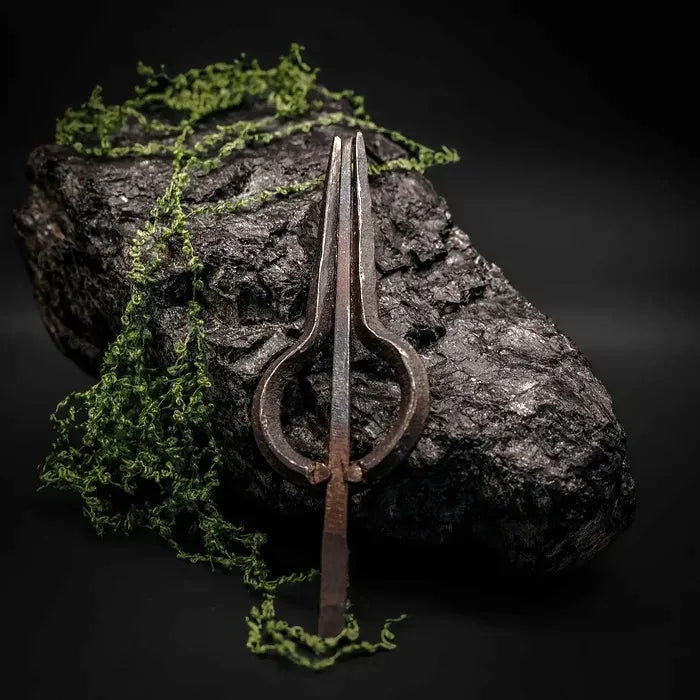
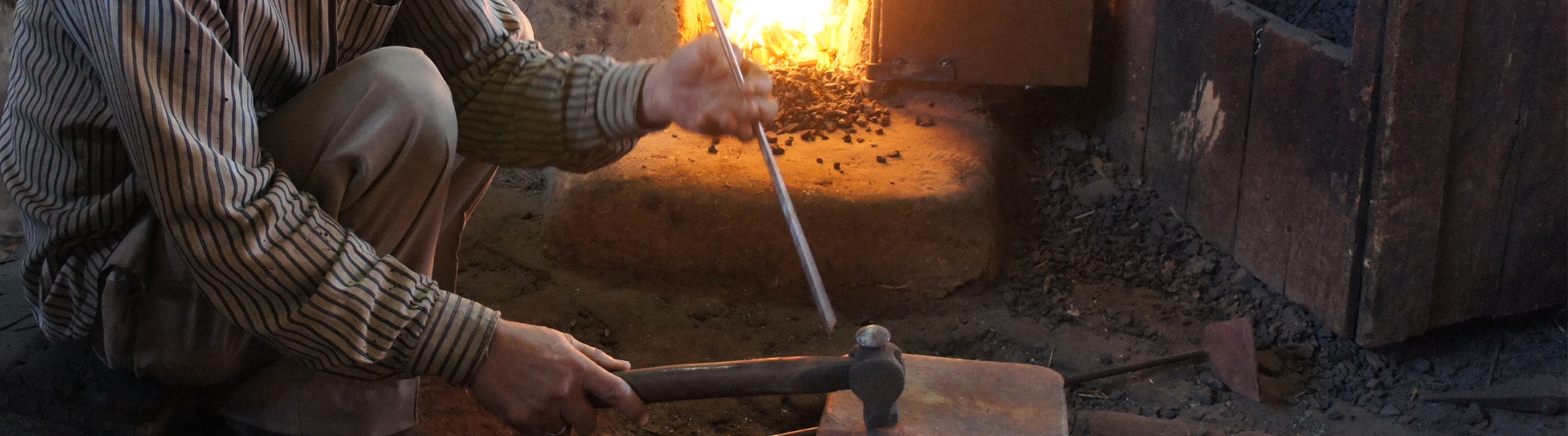
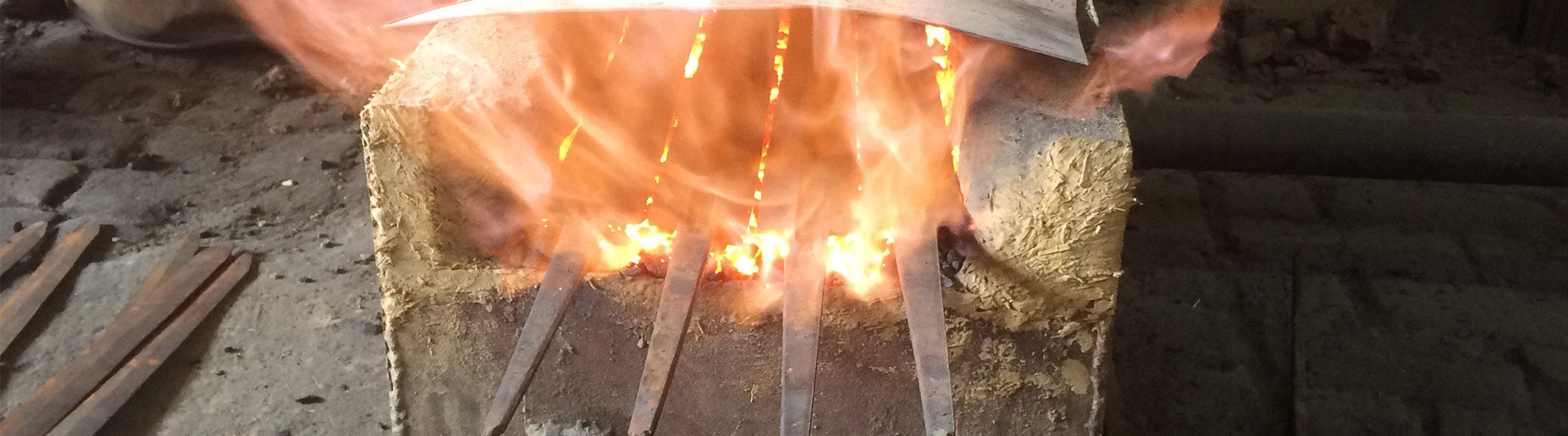
Metal has always been central to Nordic craft tradition. Our forged products — knives, axes, pendants, candleholders — are made by master smiths who blend traditional techniques with modern knowledge. The majority is forged from recycled iron, reducing the need for new raw material extraction.
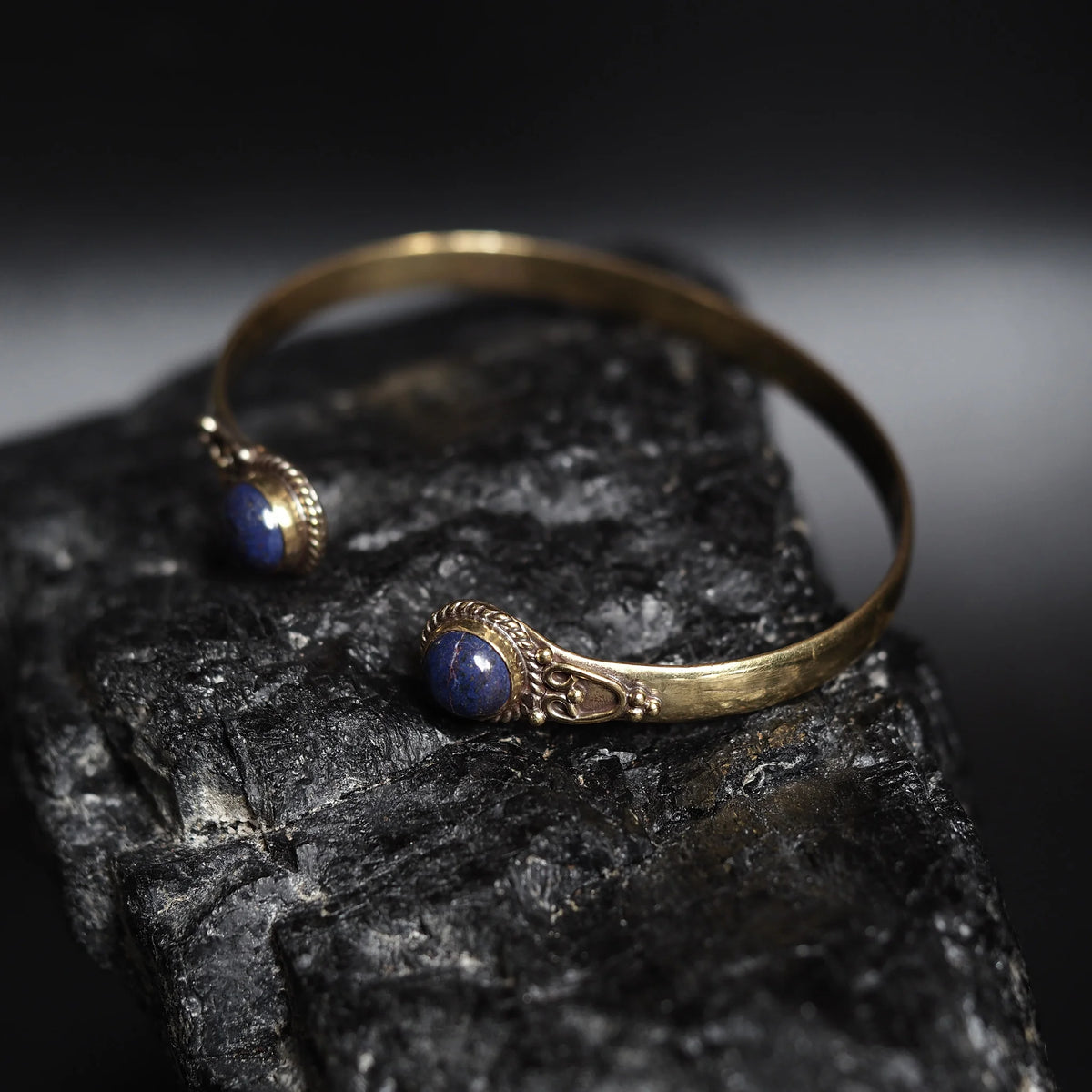
Our brass products — buckles, jewellery and decorative objects — are cast using the ancient sand casting technique or the lost-wax method. We are steadily increasing the share of recycled brass in production.
Every forged or cast object bears traces of the artisan's hand. The small variations are not flaws — they are proof that a person, not a machine, created the object.


Natural Materials
Leather & Wood
Vegetable-tanned leather — We exclusively use leather tanned with natural tannins instead of chemical chromium salts. This produces leather that ages beautifully and develops a unique patina over time. The leather is always a by-product of the meat industry — never the primary product.
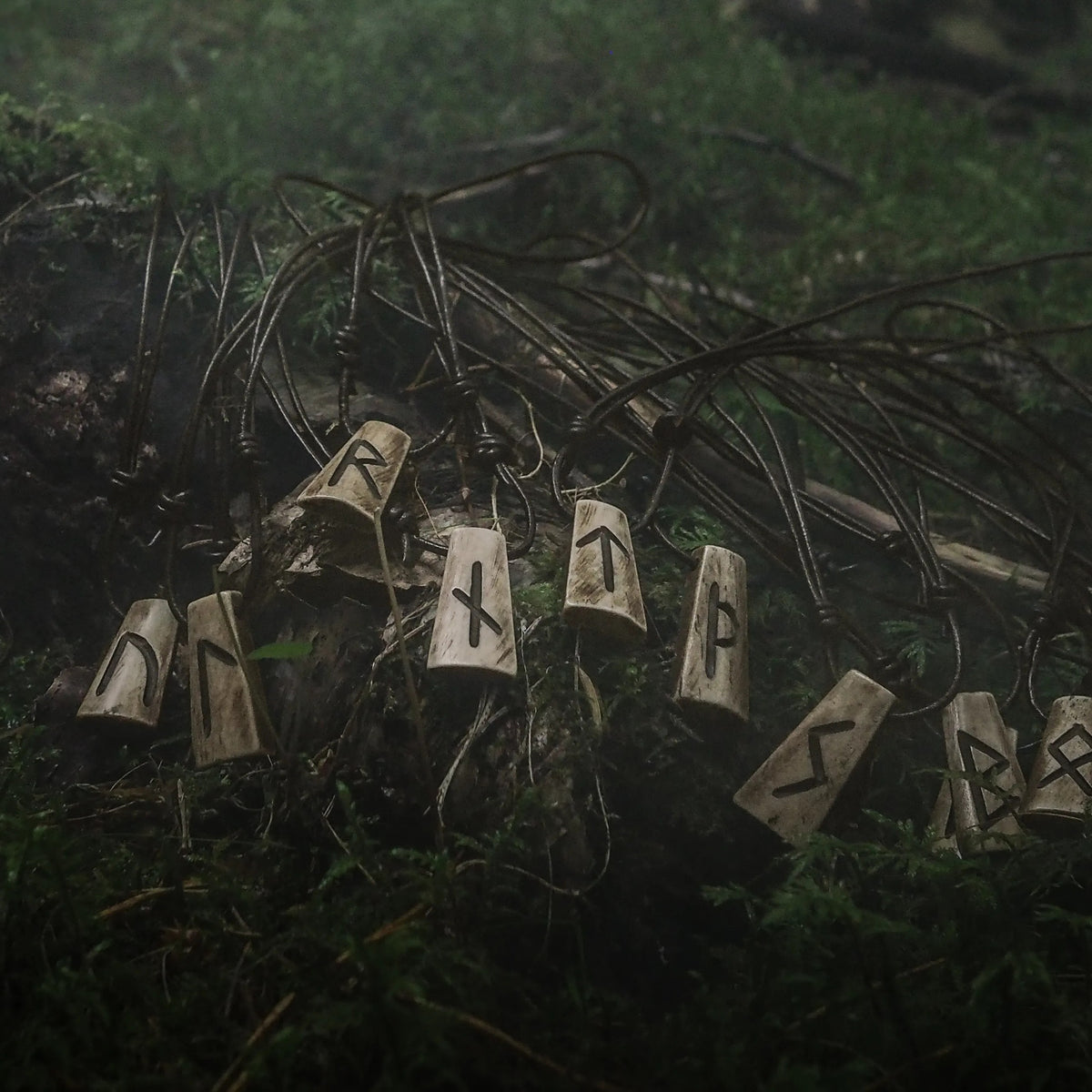
Wood — All wood in our products comes from legal forestry and whenever possible from cultivated stands. We work with wood species suited to their purpose: spoons and bowls in hardened wood, rune staves and decorations in fine-grained species suited for detailed carving.
Textiles & Paper
Recycled Fibres, Craft Traditions
Recycled textiles — Our colourful bead pouches and selected textile products are made from recycled textiles. The material is given new life instead of ending up in landfill.
Felted wool from Nepal — Our felted products are made by women in Nepal through cooperatives that give them financial independence. The wool is washed, carded, dyed with natural pigments and shaped by hand — every step is carried out without machines.
Handmade cotton fibre paper — Our books and journals are made from paper based on 100% recycled cotton fibre. The paper is produced by hand, sheet by sheet, and has a unique texture that can never be replicated by a machine.
Glass Beads
Traditional Glass Bead Making
Our glass beads are handmade in northern India, near the Ganges. It is a craft tradition passed down through generations — knowledge is transferred from parent to child, not through schools or manuals.
Glass rods are heated over open flame and shaped by hand into beads, one at a time. Colours are blended, patterns applied and each bead develops its own unique character. It is slow, patient work that requires years of experience.
By using these beads in our jewellery and products, we help keep this ancient craft tradition alive — and give the artisans a market that makes it possible to continue.

Production
From Raw Material to Product
Handmade means every product has passed through many hands and steps before reaching you. A horn comb is shaped over several days of work. A forged pendant is heated, hammered, shaped and hardened repeatedly. A book is sewn together by hand, page by page.
The longer production time means lower energy consumption and less waste than industrial manufacturing. And it gives every object small variations and unique details that make it truly yours.
Quality & Control
Our quality assurance is built on personal relationships, not industrial inspection protocols. We have worked with the same artisan families and workshops for over 15 years — that creates a trust and understanding that no checklist can replace.
Elias regularly visits the workshops, communicates directly with the artisans and follows production on site. Long-term partnerships mean quality improves continuously — the artisans understand our expectations and we understand their capabilities.
The result is products with genuine character, made with pride by people we know and respect.
Discover the Materials in Practice
Want to see what we create? Browse our collection of handcrafted products. Curious about how we work with sustainability? Read more on Sustainability. Or take a look at our Production & Materials to learn more about our materials and craft methods.
Have questions or want to discuss a special project? Contact us — we'd love to hear from you!
Tone & Elias