




Our Philosophy
Ancient Meets Future
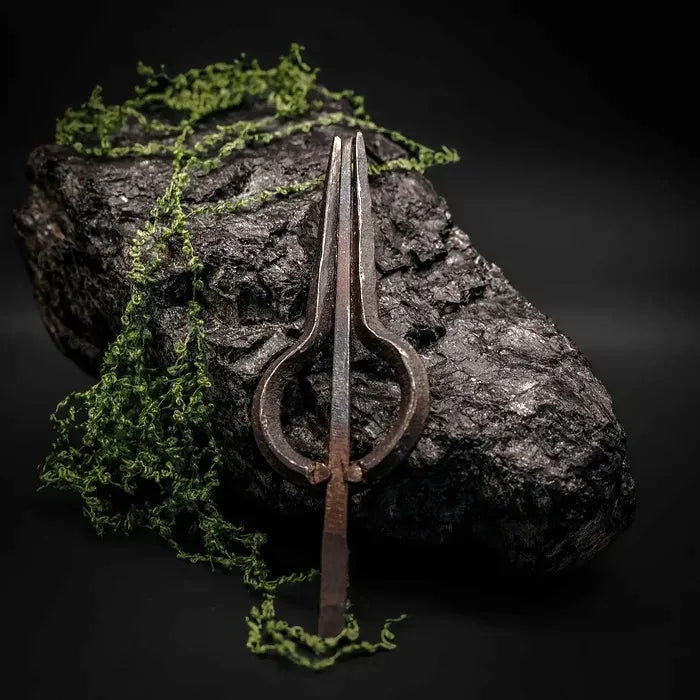
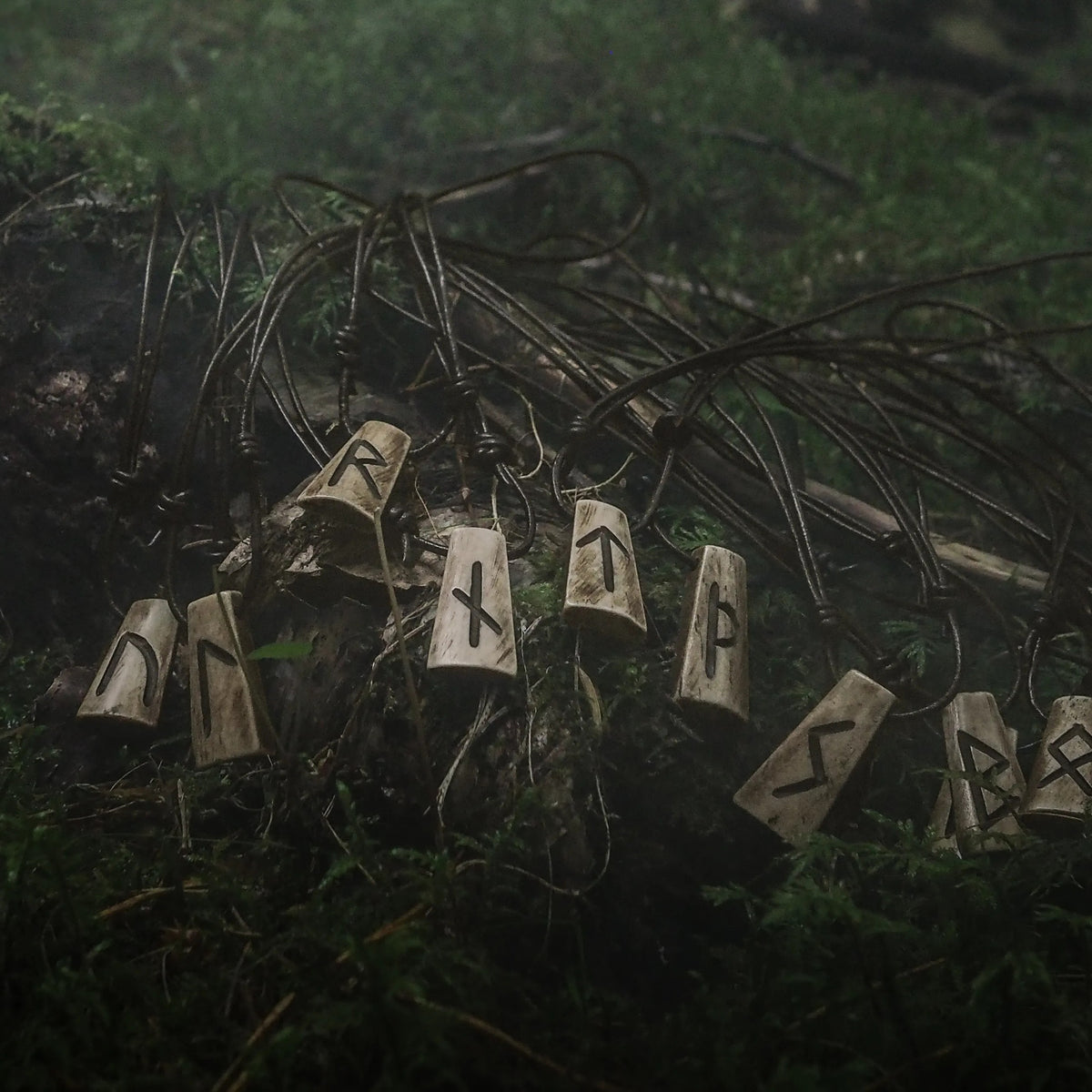
Nordlys Viking was founded on the conviction that the best thing we can do for the future is to learn from the past. For thousands of years, craftspeople created beautiful, functional objects from what nature provided — horn, wood, iron, leather, textiles. Nothing was wasted, everything had a purpose.
That philosophy lives on in everything we do. We choose materials that have already been part of a cycle, work with artisans who carry generations of knowledge, and create products made to last — not to be discarded.
To find balance in harmony with nature, we must both preserve ancient ways of living and thinking, and make room for old wisdom alongside innovation. We believe in a future where ancient traditions, materials and knowledge are combined with innovative thinking and modern technology, to meet society's need for sustainability and longevity.
Environment
We produce with the environment in focus
We actively work to reduce our environmental impact — from material choices and production to how the package reaches you. Nordlys is a small company and a small cog in a large machine. But through our active choices and yours, our customers, we believe we can contribute to a sustainable future.
Circular Materials
Nordlys has always worked with natural materials and a commitment to making use of what would otherwise go to waste. This permeates our material choices:
- Recycled iron — The majority of our forged products are made from recycled iron.
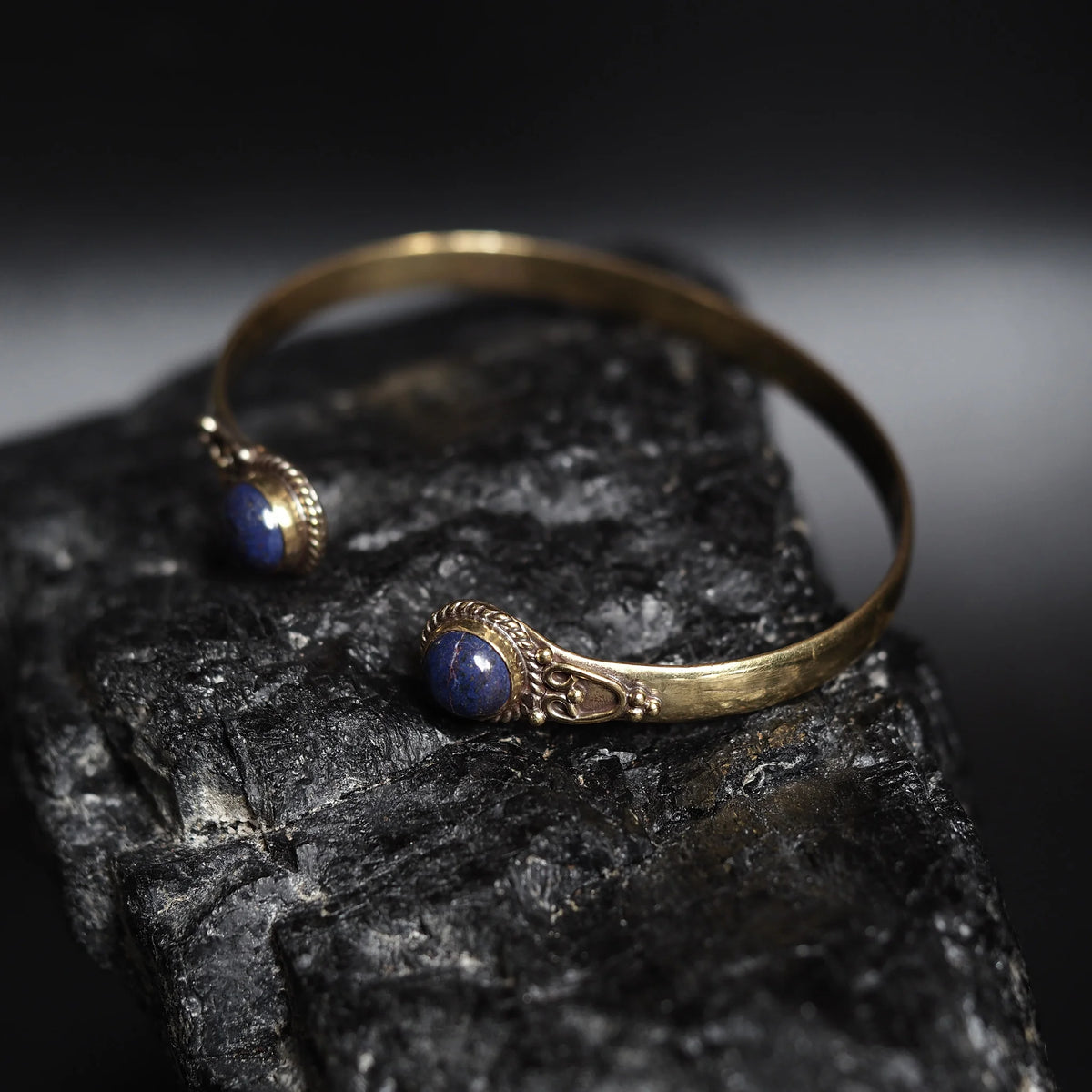
- Recycled brass — A growing share of our cast brass jewellery and objects is made from recycled brass.
- Recycled textiles — Our colourful bead pouches and selected textile products are made from recycled textiles.
- Recycled cotton fibre paper — Our handmade books and journals are made from 100% recycled cotton fibre paper.
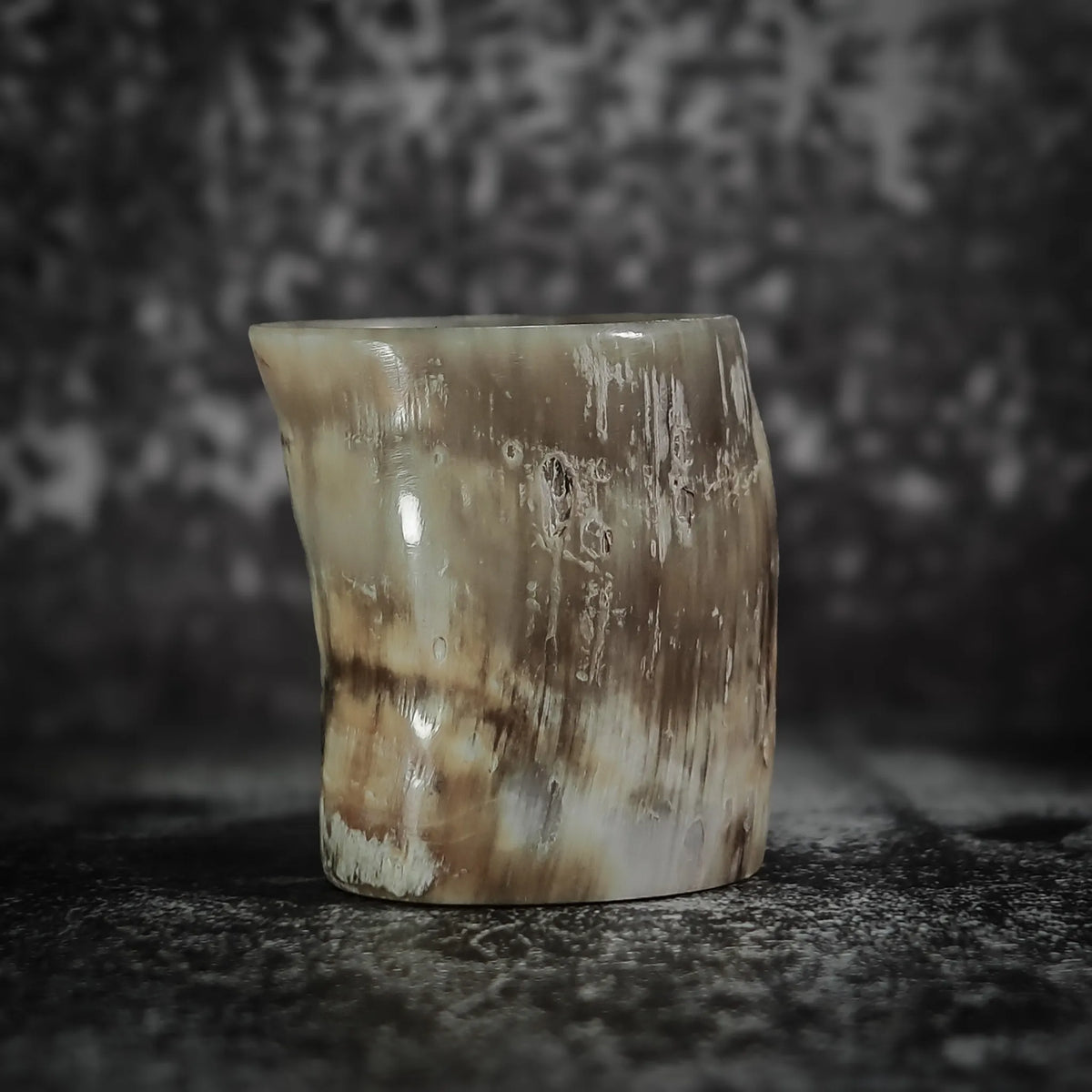
- Horn (cow horn) — A natural material with minimal environmental impact. The horns are a by-product of the meat industry that would otherwise be discarded. An incredibly versatile material used by craftspeople for millennia.
Packaging
We pack with care — for both your order and the planet.
- Paper, not plastic — Your package always comes wrapped in paper. No plastic mailer bags!
- Reused boxes — We reuse shipping boxes and materials we receive instead of throwing them away.
- 100% recycled fill material — All fill material in our boxes is recycled. So if you receive a delivery with bubble wrap, for example, it is reused material.
- Eliminating plastic in shipping — We actively work to eliminate plastic packaging throughout the entire supply chain, including from our suppliers.
- Recycled paper — Nearly all paper we use — for packaging, product cards and printed materials — is recycled.

Natural Materials & Responsible Sourcing
We choose materials based on both quality and ethics. Every material choice is evaluated for its environmental impact and the conditions it creates for the artisans.
Vegetable-tanned leather — tanned with natural tannins instead of chemical chromium salts. The leather is a by-product of the meat industry — never the primary product.
Ethically sourced wood — all wood comes from legal forestry and whenever possible from cultivated stands.
Natural fibres — wool, cotton and linen that renew naturally and decompose without burdening the environment.
Ongoing Improvement Work
Sustainability is a journey, not a destination. We currently have several projects underway to further reduce our environmental impact:
- Increasing the share of recycled materials in production — especially brass and textiles.
- Working with suppliers to reduce plastic use in shipping.
- Exploring new circular material choices for upcoming product categories.
- Improving traceability in our supply chain.
We believe in transparency. Follow us on social media for updates on our environmental and sustainability work.
People
Long-term Craft Partnerships
We have worked with the same artisan families and workshops in India and Nepal for over 15 years. These are not business relationships — they are partnerships built on trust, mutual respect and a shared commitment to preserving traditional craftsmanship.
Long-term commitment makes a difference. It gives our artisans the security to invest in their own development, improve their workshops and train the next generation.
One of our goals is to make craftsmanship accessible to everyone. Our ambition to keep all production as close to us as possible is balanced against the opportunity to support vulnerable communities and help preserve crafts and traditions in parts of the world where the original traditions are still alive.
Fair Conditions & Better Work Environment
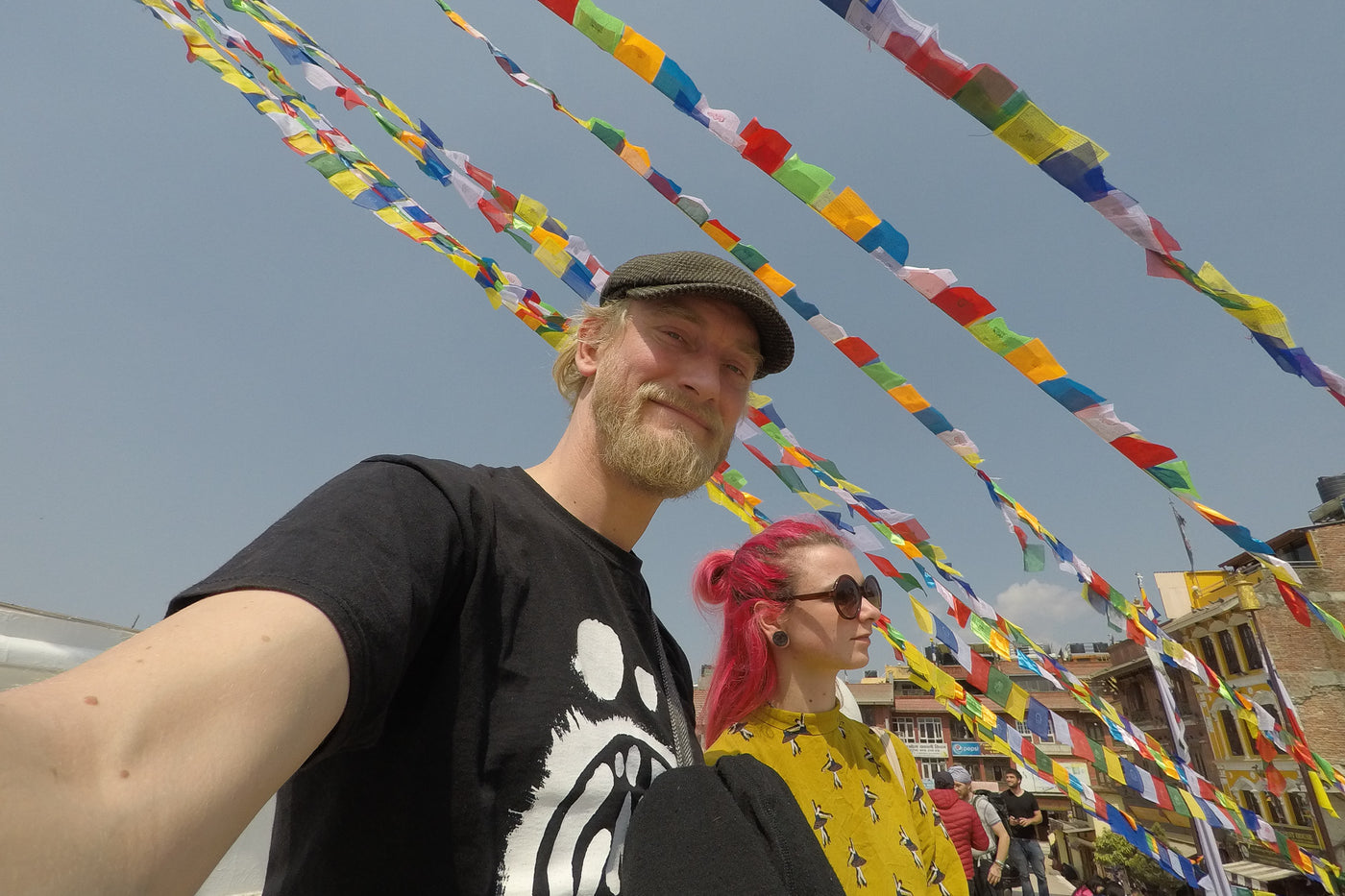
We personally travel the world to find the very best artisans to work with. Whenever possible, we choose to collaborate with small craft enterprises or through organisations that support women and other vulnerable groups. Through direct, personal contact, we ensure that artisans receive fair wages and we actively work to continuously improve their working conditions and future prospects.
One example: We discovered that workers at one of our horn workshops in India were breathing in grinding dust every day. Staff turnover was high — workers could only last a few years before their health deteriorated. Elias convinced the producer of the importance of worker protection and helped finance the installation of a dust extraction system. Today, the working environment is better, and more artisans stay on and develop their skills.
Living Craft Traditions
Industrialisation and mass production threaten traditional craft skills worldwide. Knowledge passed down through generations risks being lost when younger generations see no future in the craft.
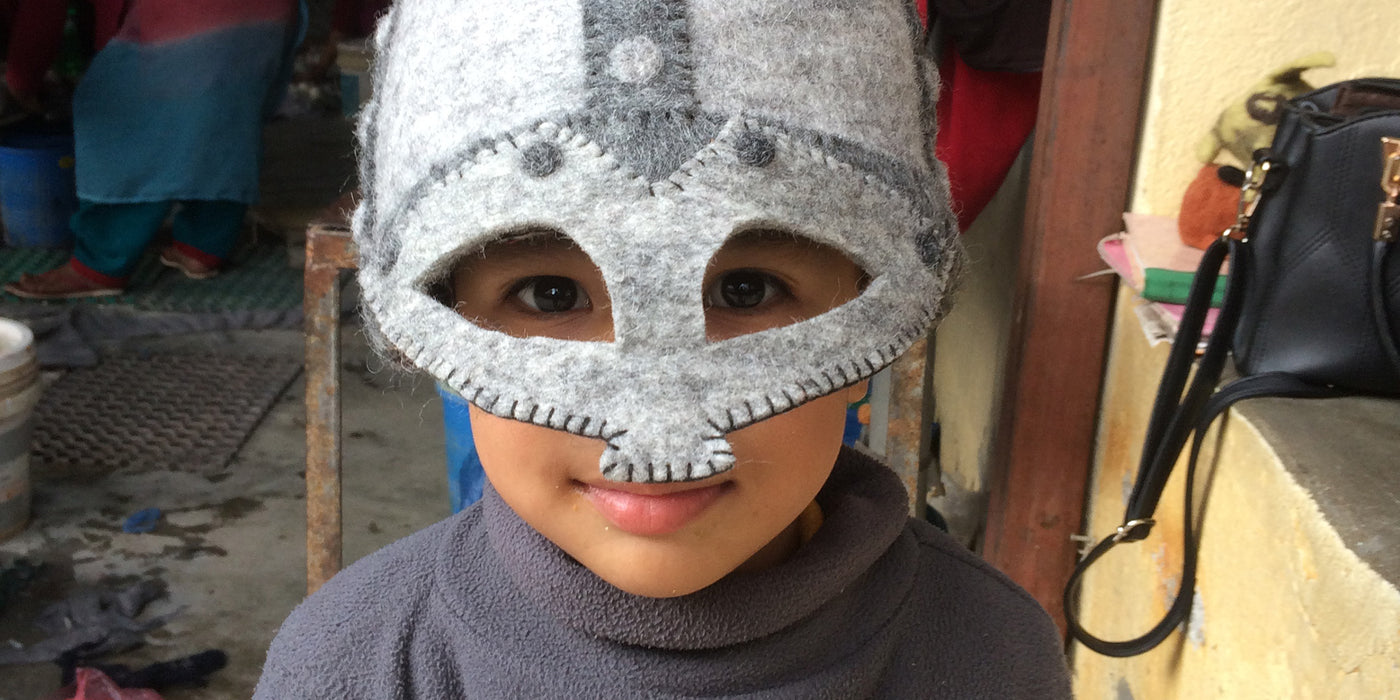
By creating demand for genuine craftsmanship, we help keep these traditions alive. Our glass beads are handmade in northern India by artisans whose knowledge has been passed down through generations. Our felted products are made by women in Nepal who gain financial independence through their craft.
This is not about nostalgia. It is about preserving knowledge that humanity has built up over thousands of years — and giving it value in today's economy.

Production
Handmade, Not Mass-Produced
Every product in our range is handmade. That means longer production times, small variations and unique details — but also lower energy consumption, less waste and a deeper connection between artisan and product.
We design products meant to stay with you for a long time. A vegetable-tanned leather belt that ages beautifully. A forged iron pendant that endures for generations. A horn comb that grows more beautiful with time. Longer lifespans mean fewer products that need to be manufactured, shipped and eventually discarded. The most sustainable product is the one you never need to replace.
Every Choice Makes a Difference
Want to see what we create? Browse our collection of handcrafted products. Curious about how we work with sustainability? Read more on Sustainability. Or take a look at our Production & Materials to learn more about our materials and craft methods.
Have questions or want to discuss a special project? Contact us — we'd love to hear from you!
Tone & Elias