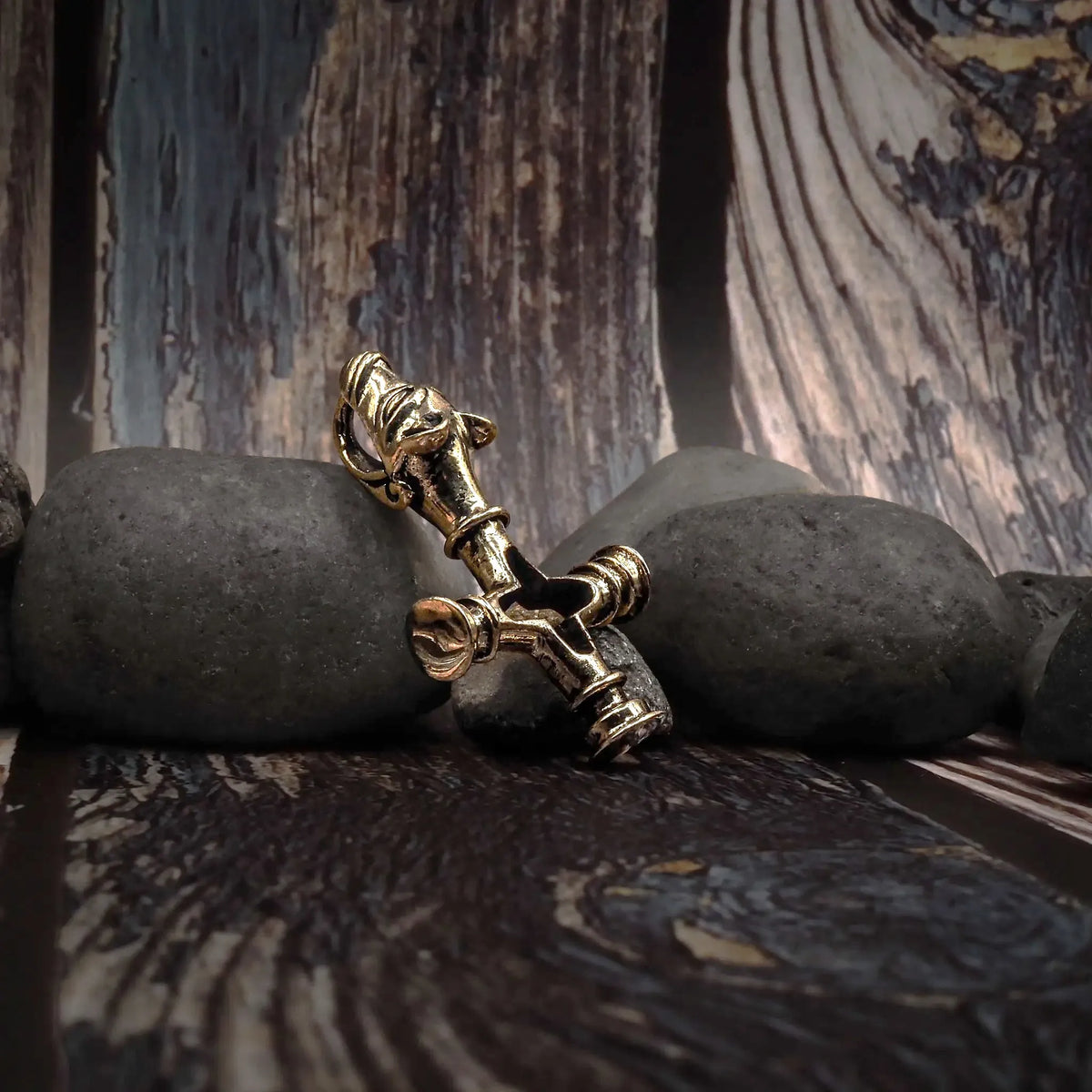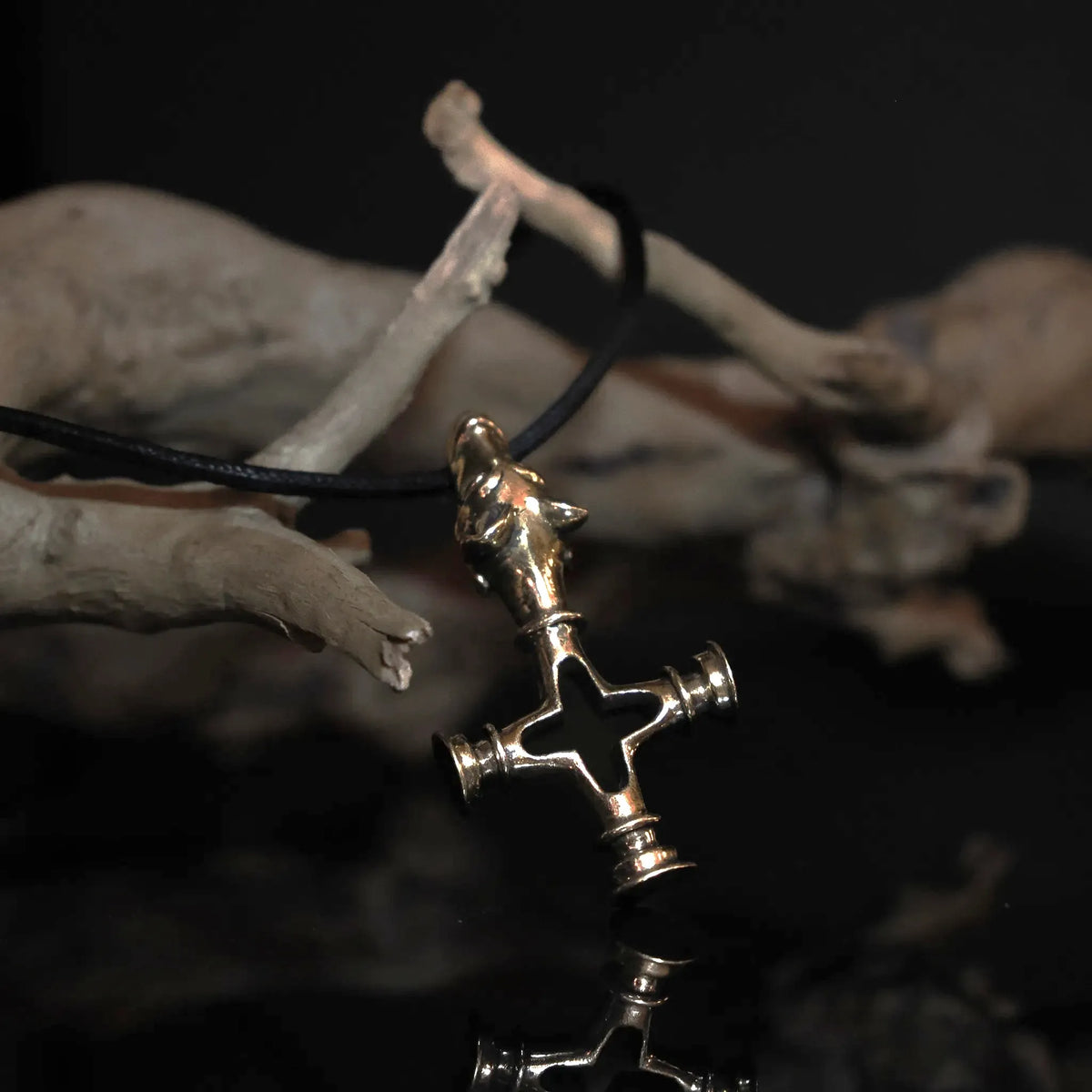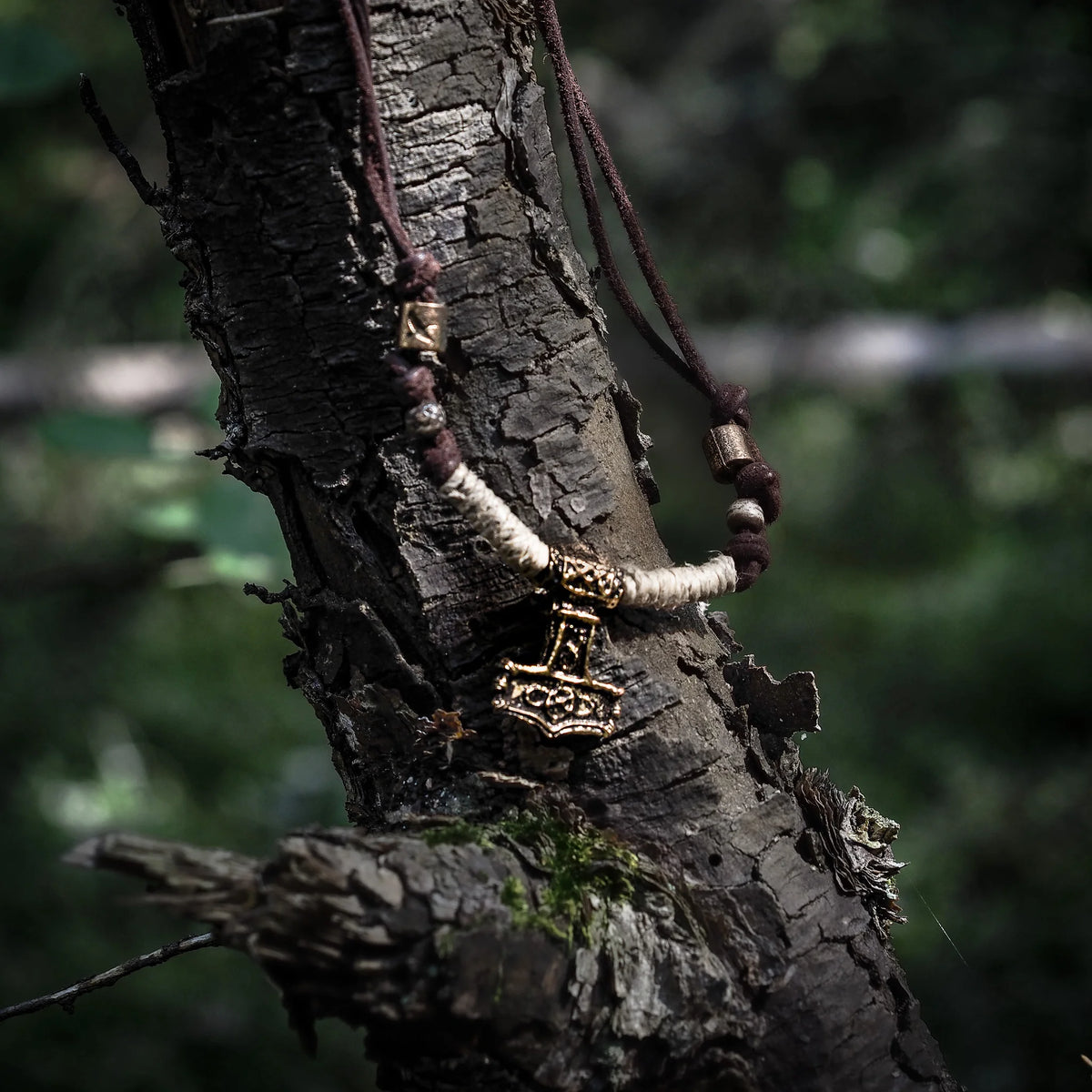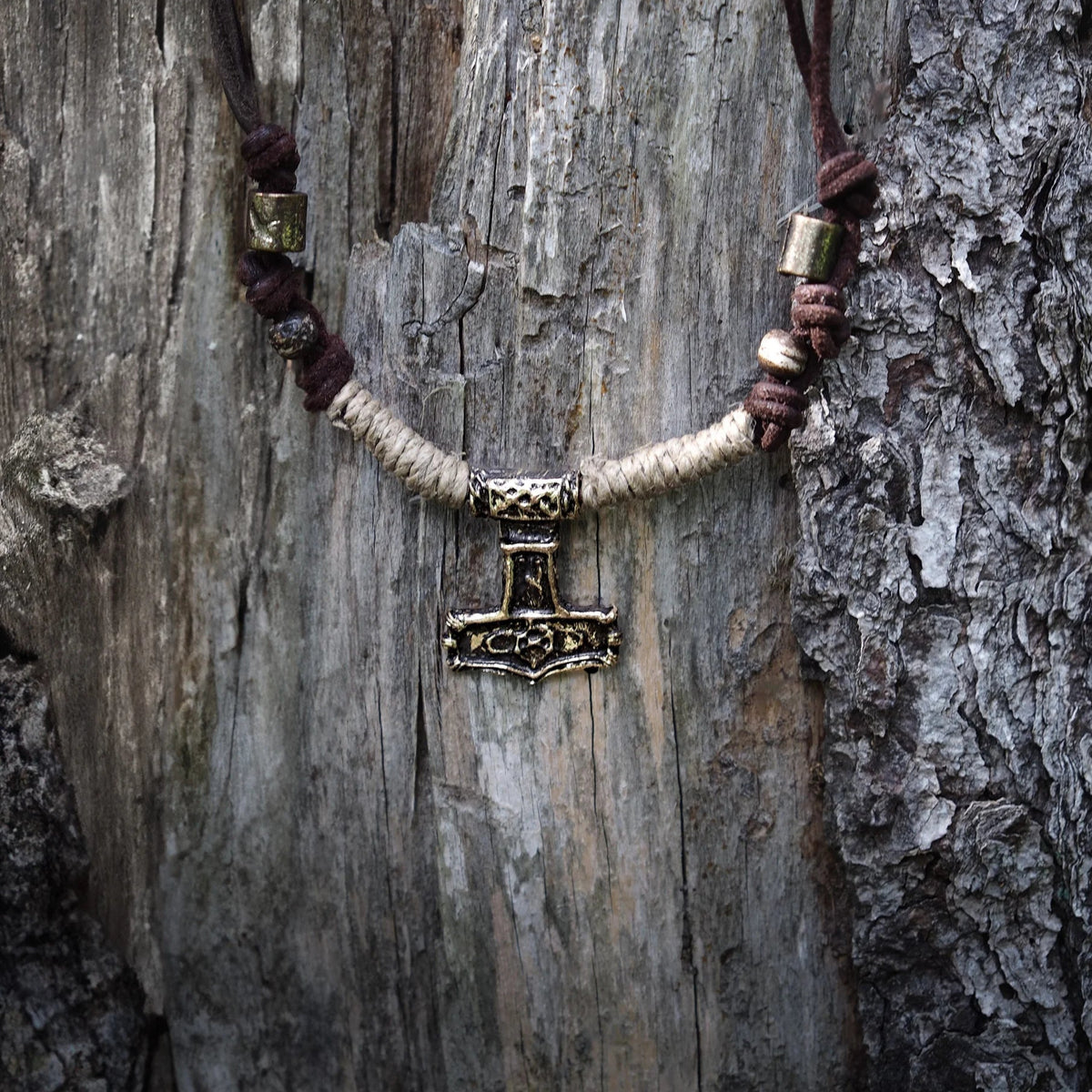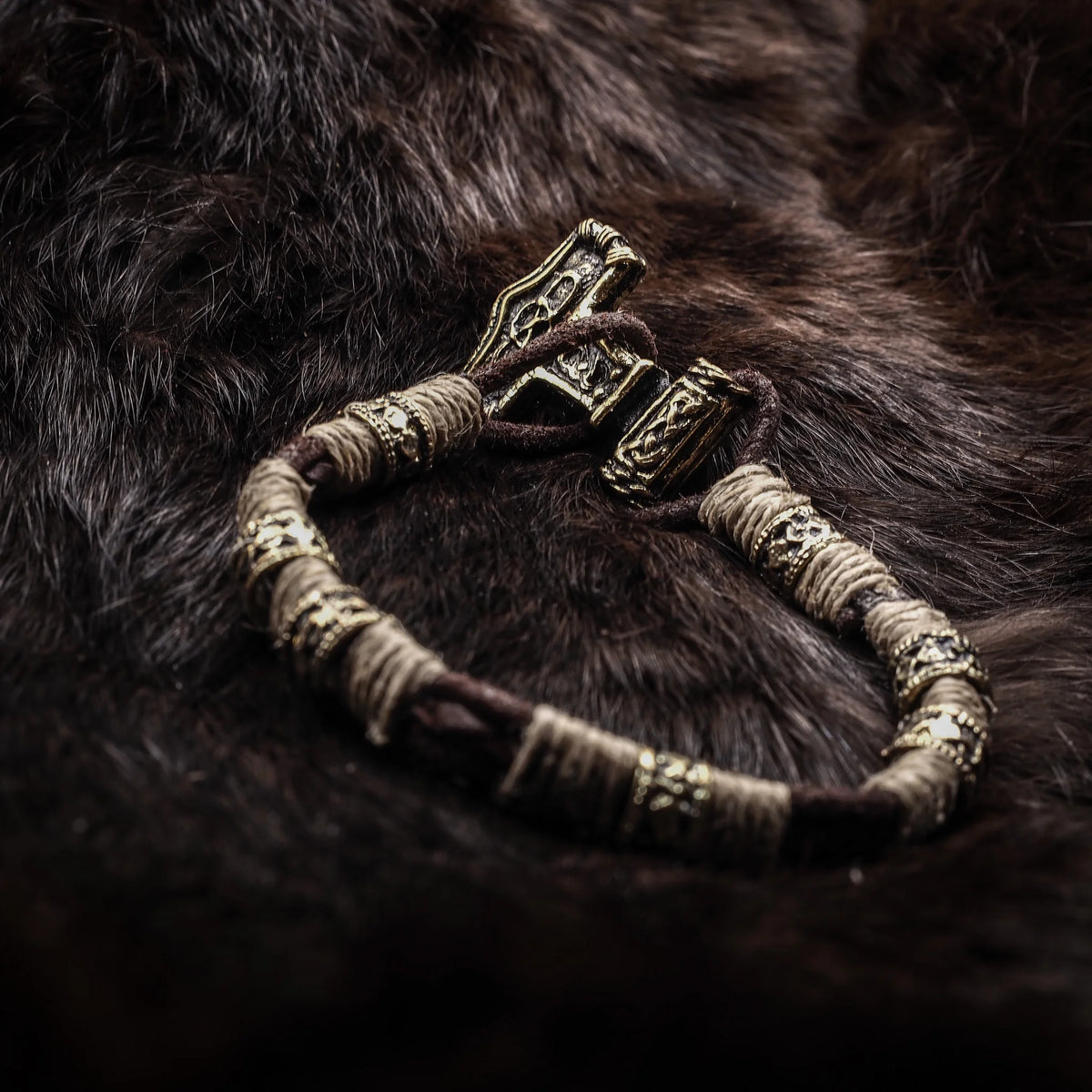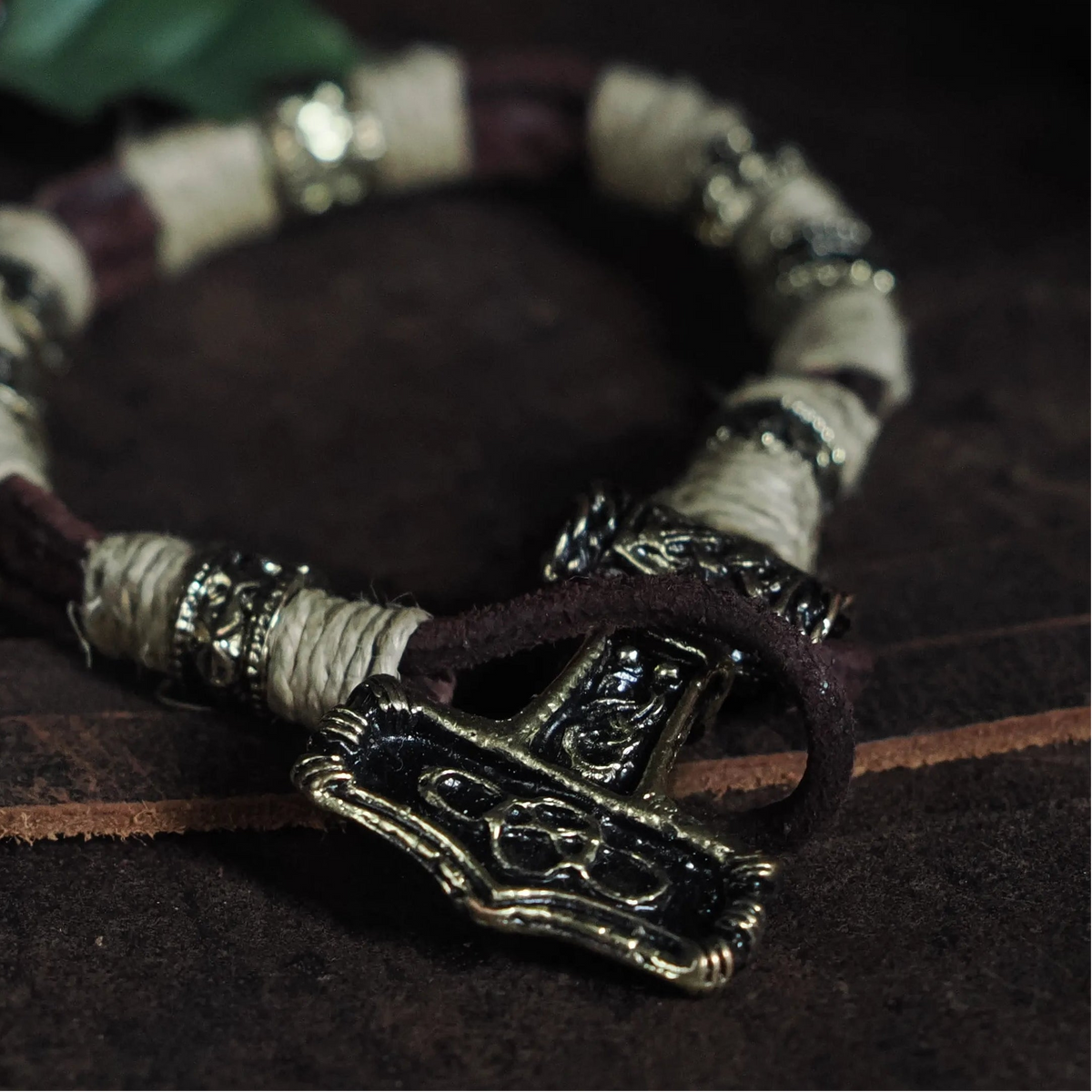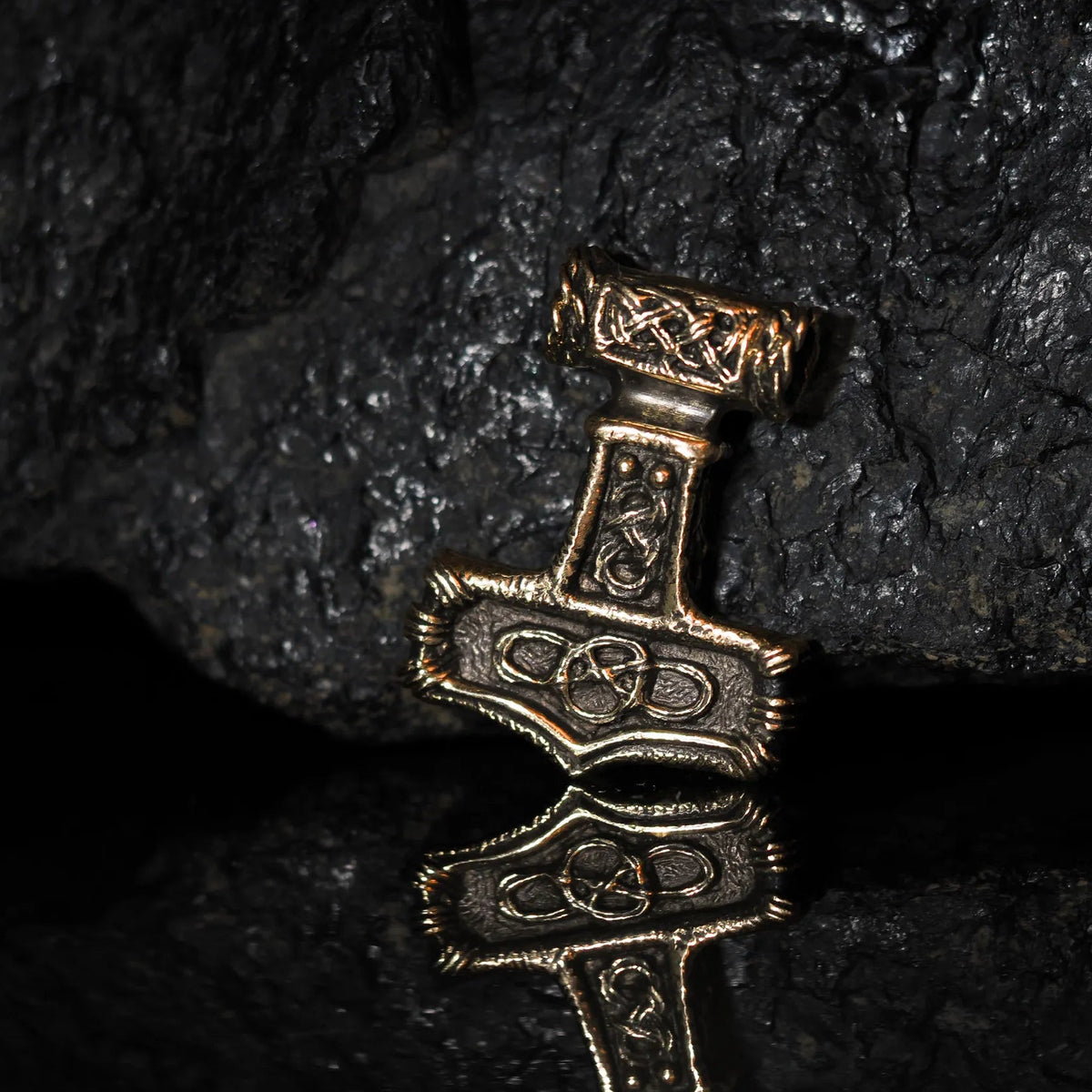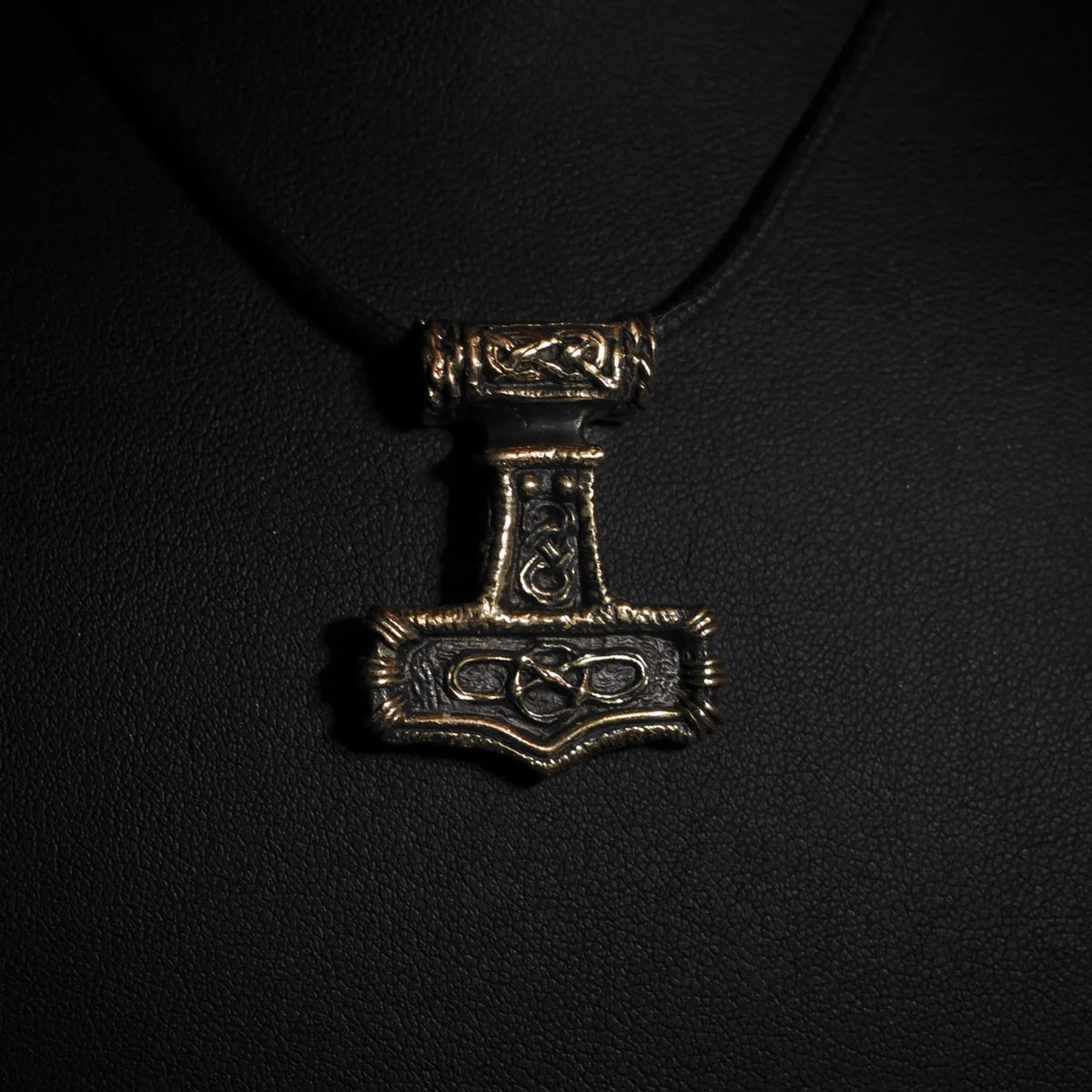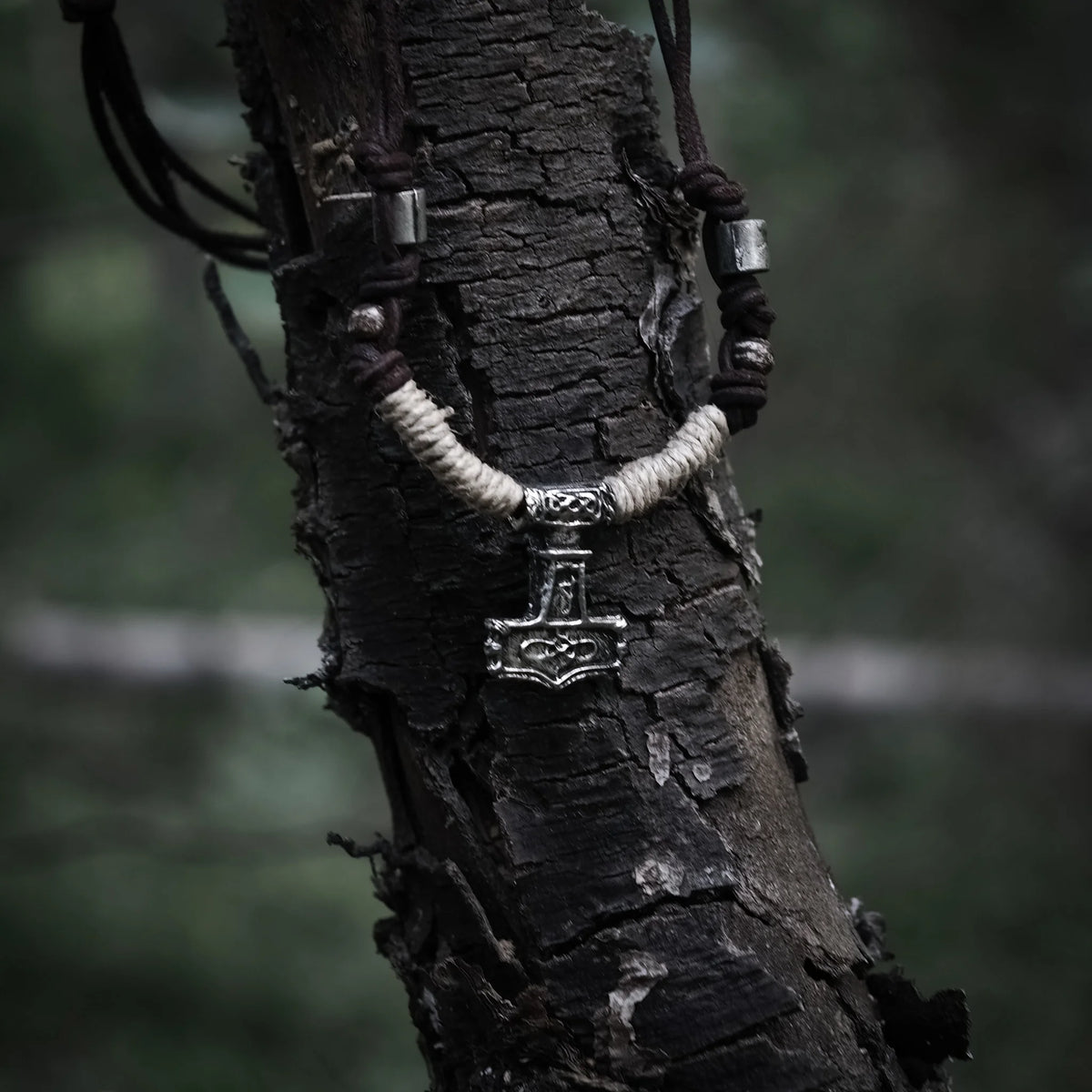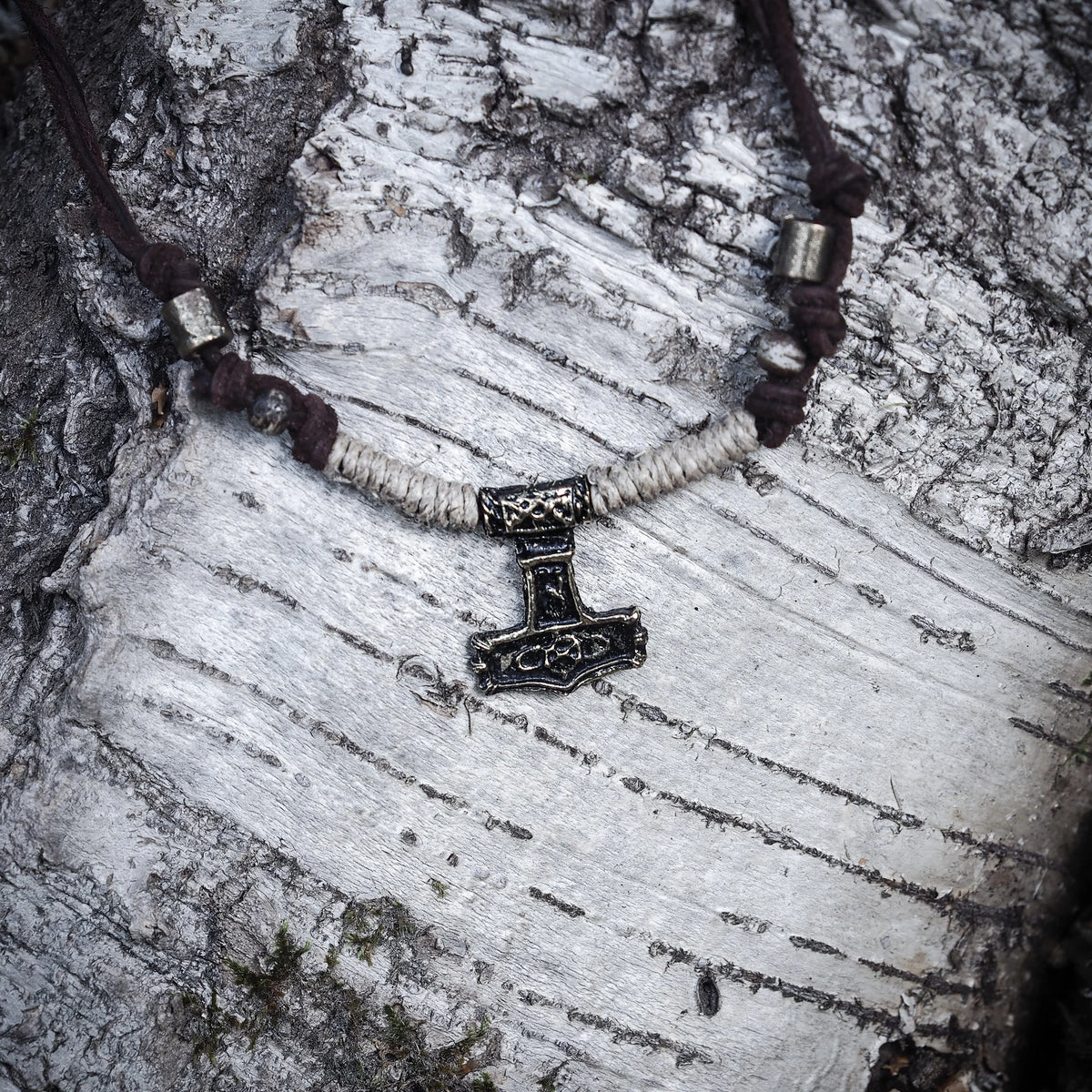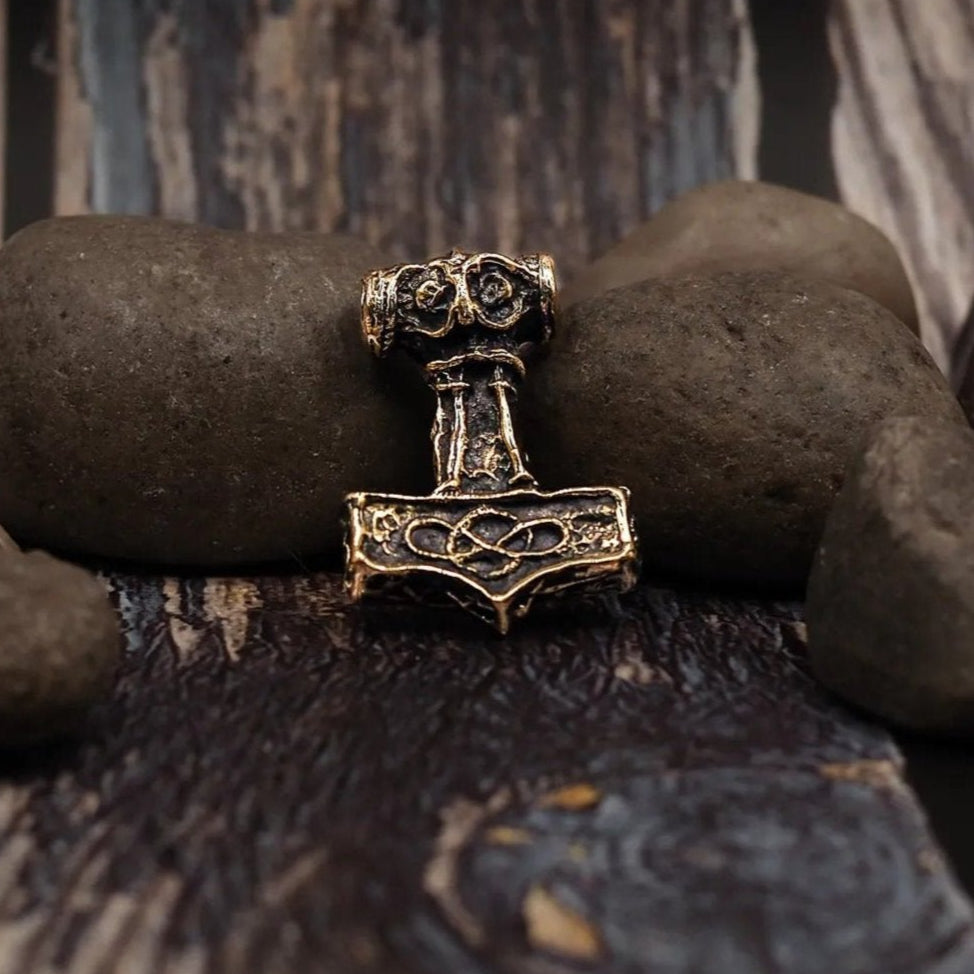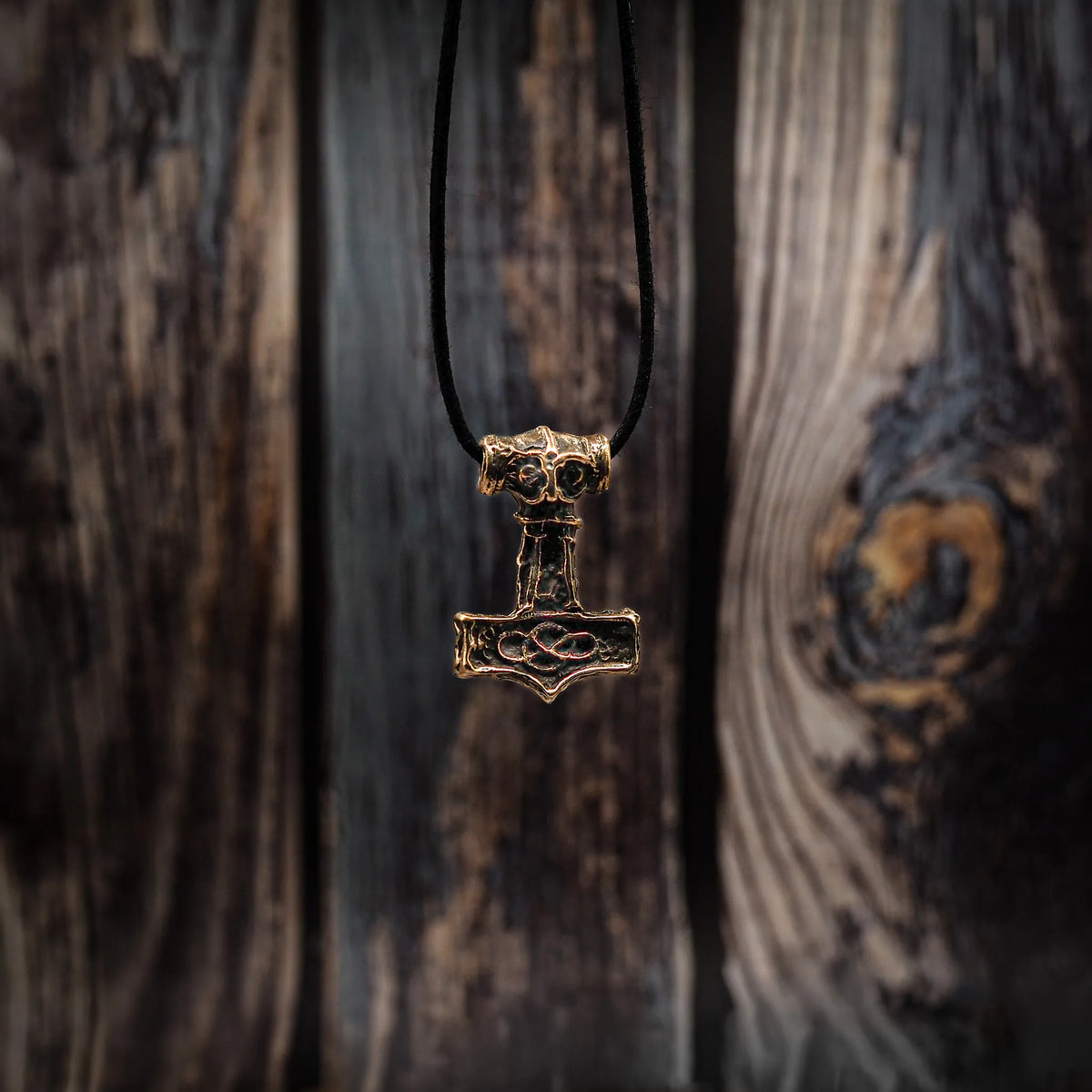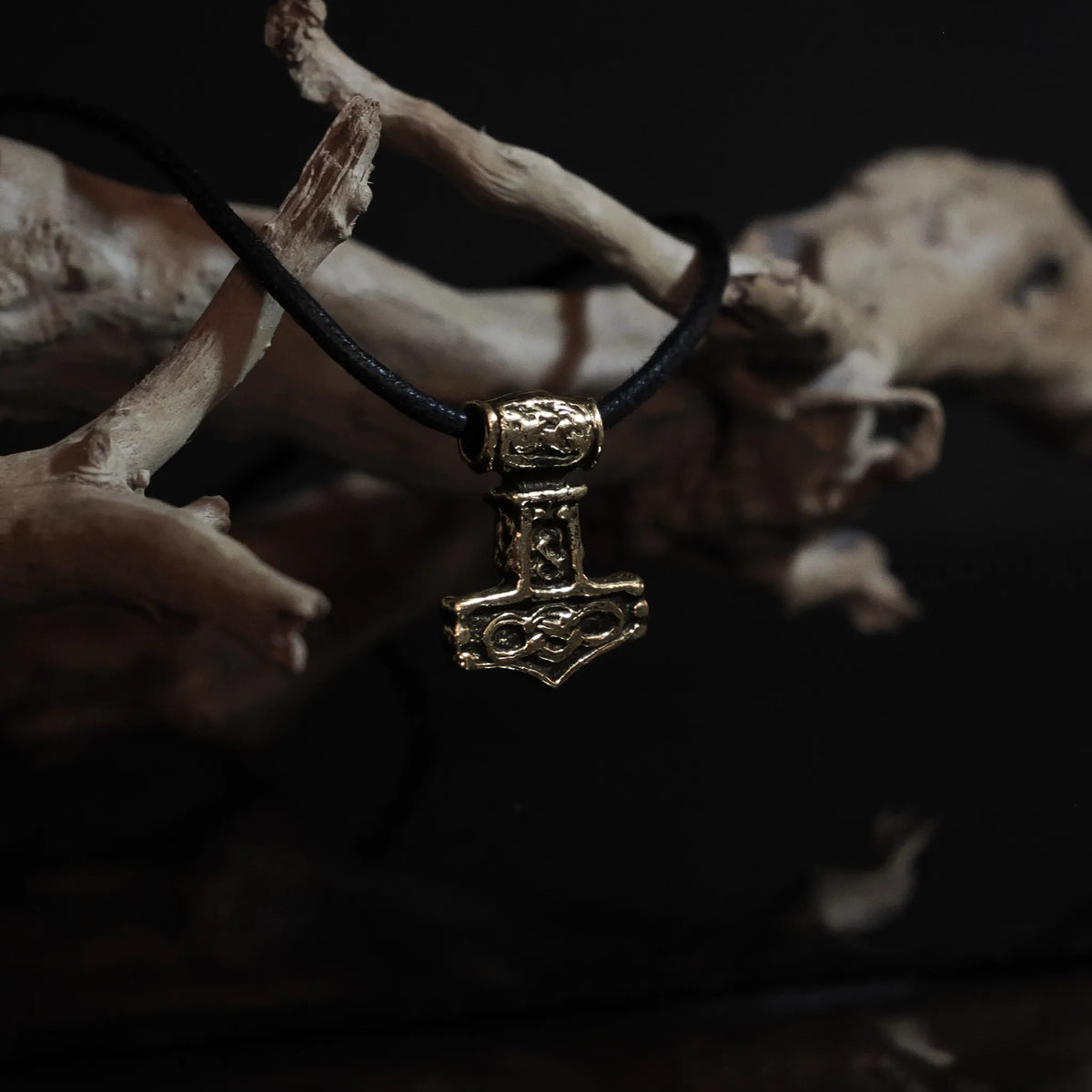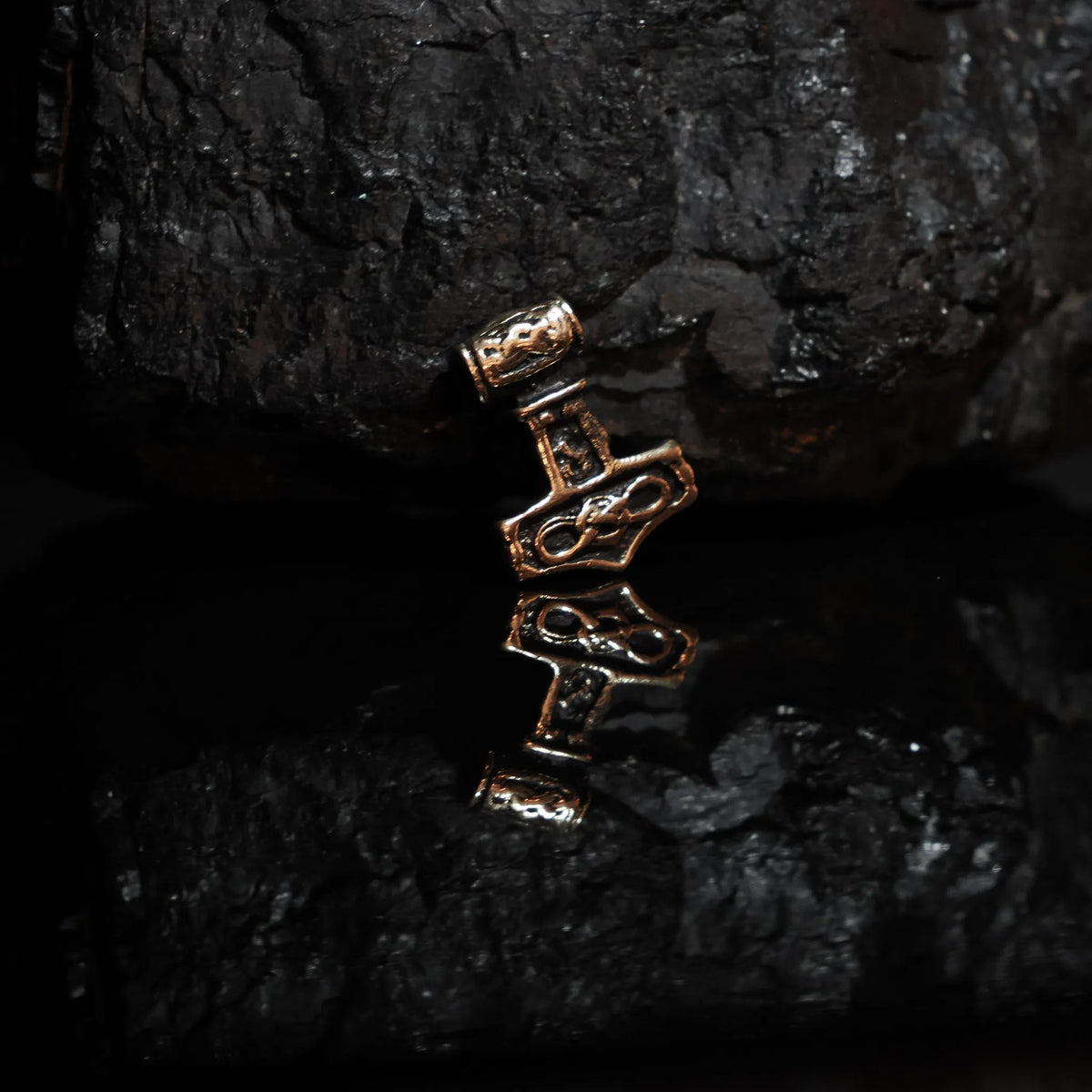




Thor's Hammer, known as "Mjolnir," is one of the most iconic symbols in Norse mythology and represents not only the god Thor, but also a deeper understanding of the world and its cosmic order. Mjolnir is a mighty hammer, created by the dwarves Brokkr and Sindri, and stands as a symbol of protection, strength and the power of thunder.
The origin and symbolism of Mjolnir.
According to Old Norse literature, particularly works such as the "Edda" by Snorri Sturluson and the "Elder Edda," Mjolnir is a creation of the dwarves' extraordinary craftsmanship.
It is fundamentally a tool for creating order in the world, reflecting Thor's role as protector of humanity and the gods.
Mjolnir is not just a hammer for striking enemies, it is also a tool for blessing and protecting, which makes it central to various rituals and ceremonies.
Thor, son of Odin and Fjorgyn/Jord, is the god of thunder, lightning and storms. He is often seen as a warrior, but also as a protector of farmers and their harvests. Mjolnir is used in several mythological tales to protect Asgard, the gods and humans from the giants (jotnar), who often represent chaos and disorder. The hammer can also reflect the natural balance in the world, where Thor fights to maintain order against the forces that threaten to overthrow it.
Köp produkten
Mjolnir in myths and stories
One of the most famous myths involving Mjolnir is the story of how Thor lost his hammer. The "Edda" tells how the giant Thrym stole Mjolnir and demanded Freyja as his wife in exchange for returning it. Thor, dressed in women's clothing, and Loki, who accompanies him, manage to outwit the giant and reclaim the hammer. This story illustrates not only Thor's strength but also his cunning and ability to navigate difficult situations.
Another aspect of Mjolnir is its role in ritual contexts. The hammer was used at weddings to bless the marriage and at other ceremonies involving life's transitions.
Thor's Hammer and nature.
Another interesting aspect of Mjolnir is its connection to nature. Thor is often associated with thunder and lightning, and Mjolnir symbolizes these forces. In many cultures, thunder has been seen as a manifestation of divine presence and power. This means that Mjolnir not only represents Thor as a warrior, but also his role as a god of nature, who maintains the balance between life and death.
Throughout history, people have always seen the forces of nature as something to be respected and understood, and in this context Thor's Hammer becomes a reminder of the importance of living in harmony with the world around us.
Thor's Hammer, or Mjolnir, is more than just a mythological artifact. It is a symbol of strength, protection and the balance that Thor represents. Through myths and legends, Mjolnir has preserved its significance through the centuries and continues to inspire and fascinate people today.
In a time when many seek identity and roots, Thor's Hammer offers a connection back to the ancient, to nature and to age-old traditions. This mythological symbol continues to live on, both in our history and in our present day.
Sources
- Snorri Sturluson, "Edda" (translation and commentary).
- "The Elder Edda," translated by Carolyne Larrington.
- "Myth and Meaning in Early Northern Europe" by Thomas DuBois, folklorist.
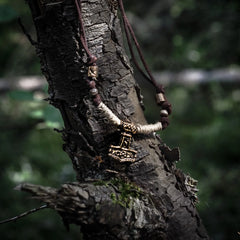
- The Thor's Hammer pictured is a replica of a find from Bornholm in Denmark.
Köp produkten