



Viking weddings were filled with symbolism and traditions reflecting society's values around love, unity and community. With elements such as oath rings, handfasting cords and the blessing of the gods, a meaningful ceremony was created.
By understanding these traditions, we can gain a deeper appreciation of how love may have been celebrated throughout the ages.
Planning a Viking wedding today can be a fantastic way to honour these traditions and create unforgettable memories for the couple and their families.
The Ceremony:
The wedding ceremony can take place at a blót site, a sanctuary or a chosen beautiful spot in nature. There are many elements that can be included in the ceremony.
A few examples are:

https://youtu.be/_-PN1CNaZw0?si=ImpkMjBwk5-Mg3c4
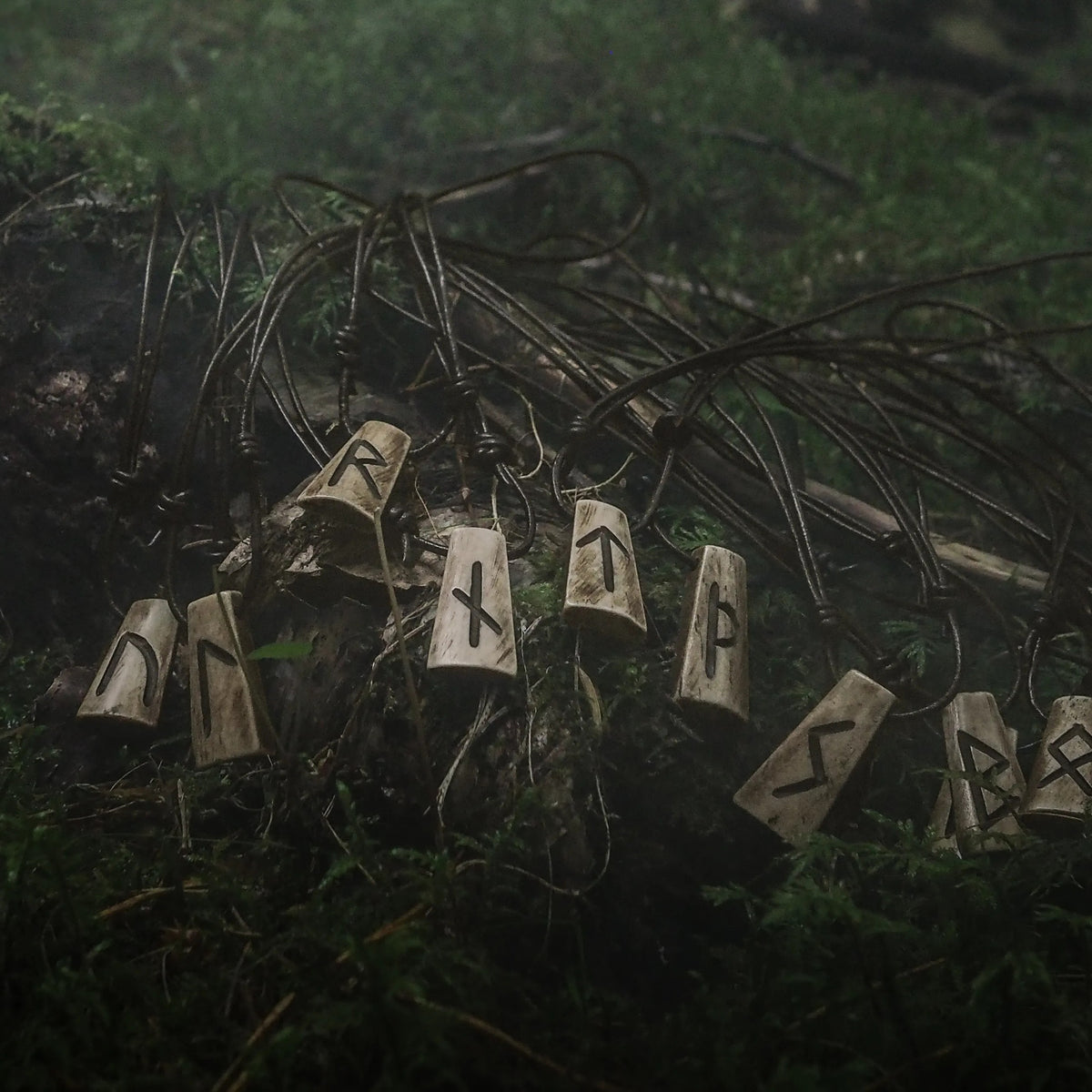
1. Oath ring: A central symbol in Viking weddings was the oath ring. The ring symbolised the vows exchanged between the couple. It could be made of iron or a bent branch, and needed to be large enough for the couple to pass the rings to each other through it. The oath ring can be decorated with symbols that are important to you, runes representing love and protection, or flowers.
2. Handfasting cord: Another traditional element was binding the couple's hands together with a cord or a rope. This symbolised their unity and their bound life together. It was also a reminder that they were now a couple who would support each other through all of life's challenges. The handfasting cord could be simple, or adorned with flowers and ornaments. Feel free to choose a cord where the colour or pattern means something to you.
3. Vows: During the ceremony, the bride and groom can exchange vows. These vows don't need to be only about romantic love, but can also be about supporting each other in everyday life, growing together, or things you want to do in the future. It's lovely to direct your vows straight to your partner, but remember that all the guests will hear what you say, so it can become an emotional part of the ceremony.
4. The gods: The Vikings believed strongly in their gods and goddesses, and it was common at a wedding to invoke their blessing.
Weddings were often blessed by Freyja, the goddess of love and fertility, who was also believed to bring happiness. A blessing from Freyja would symbolise that the marriage would bring love and success.
Odin's blessing:
As the god of wisdom, Odin could also be invoked to give the couple strength and clarity in their relationship.
An example of how a wedding might unfold:
The master of ceremonies/Goði welcomes the participants, bride and groom.
Everyone present places their knife on the ground, so that the spirits and gods know we are here with peaceful intent.
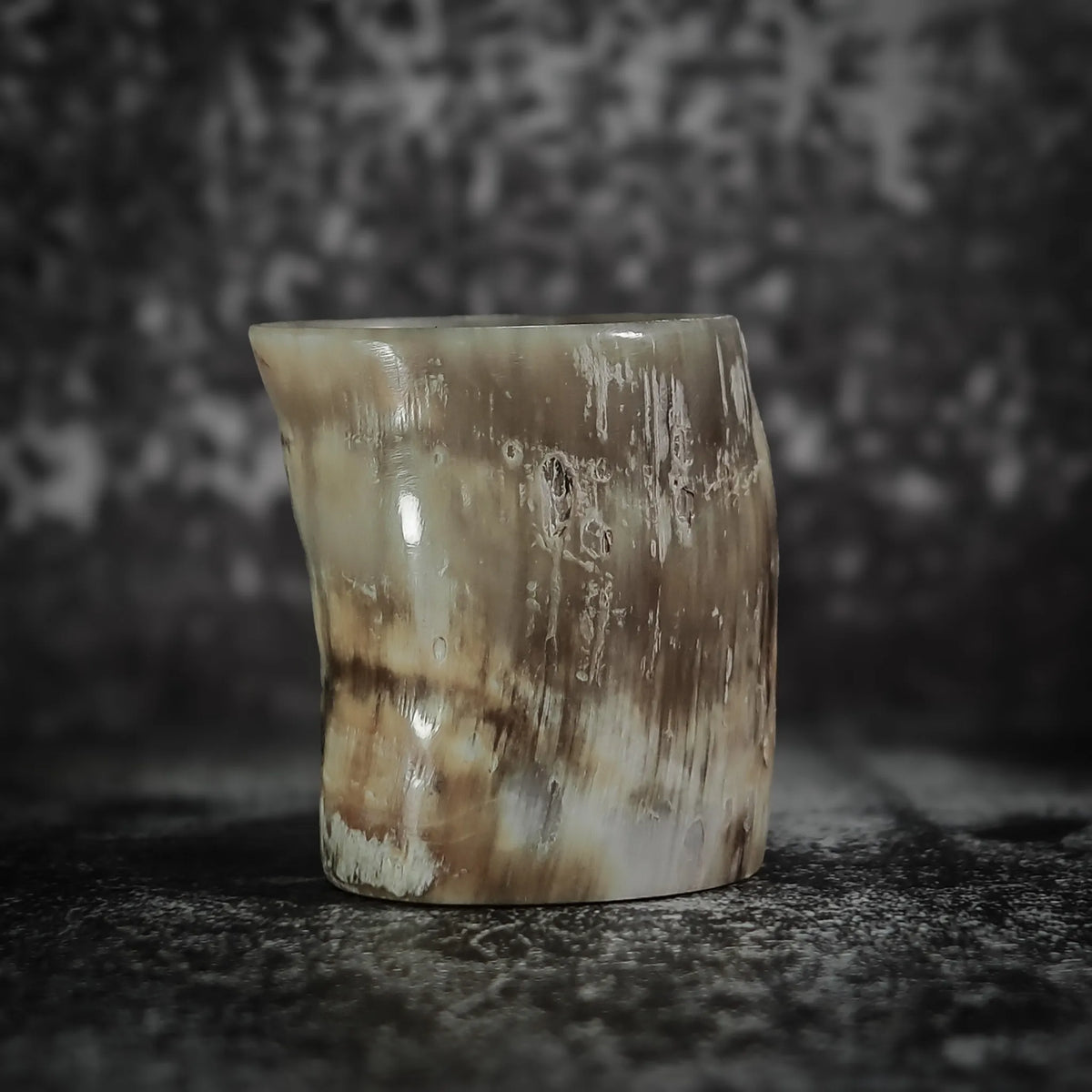
The master of ceremonies/Goði calls for the gods' attention, preferably with a drum, and/or three blasts of a drinking horn.
The master of ceremonies/Goði holds out the "oath ring", the couple hold it and recite after the master of ceremonies.
The couple give each other the rings through the "oath ring"
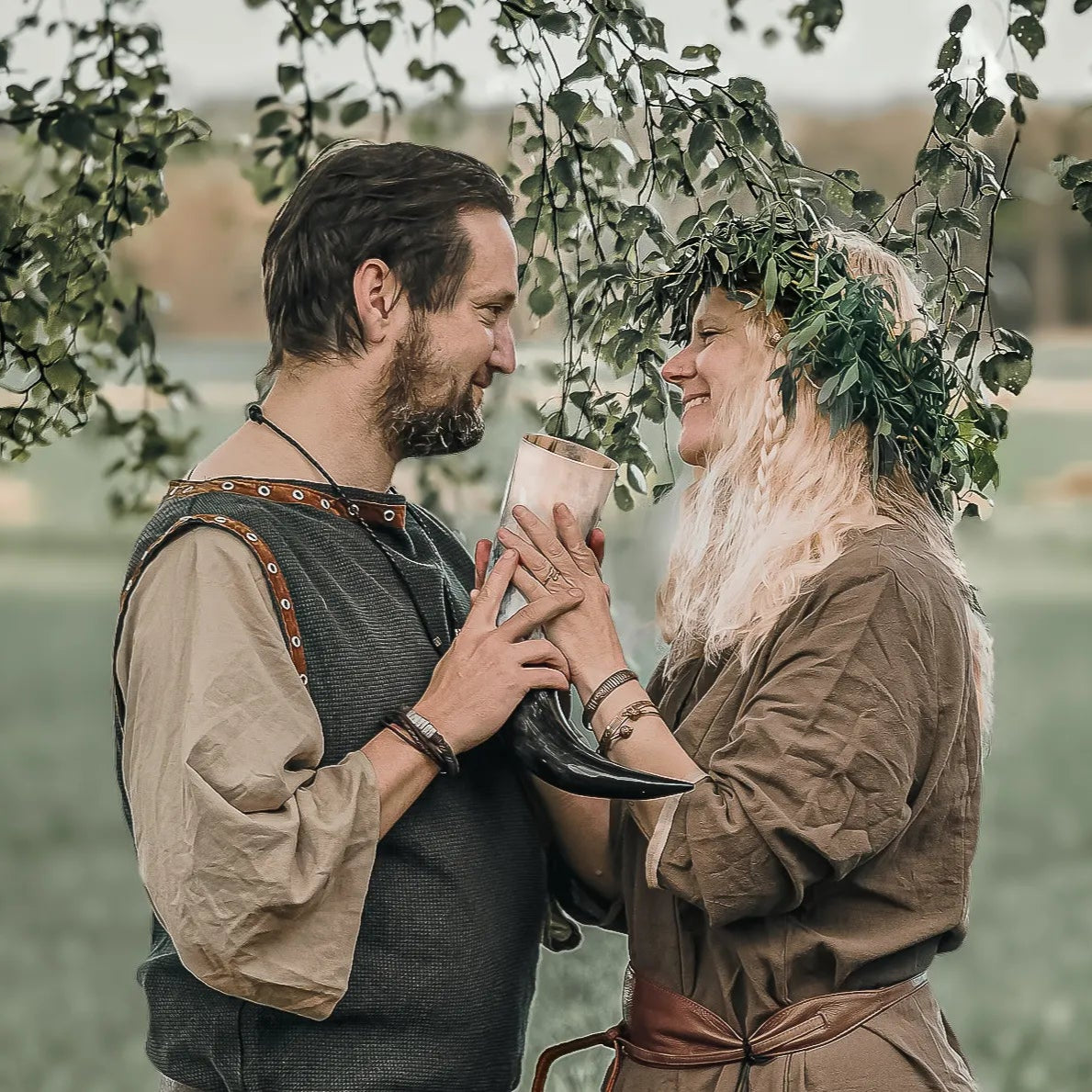
The master of ceremonies offers the horn to the bride and groom. Then he declares them husband and wife.
Finally, the drinking horn can be passed around among those present, giving everyone a chance to say a few words, or simply raise a toast to the couple.
Clothing and decoration:
We know little about how the Vikings decorated their weddings, but the tradition of decorating with flowers is probably far older than we think. Decorating with the flowers and branches the season offers is a great option.
This way, you bring nature and its beauty into the celebration. If you marry in summer, summer flowers and birch twigs can adorn the table, the bridal bouquet and even the bride's hair. If you marry in winter, it can be lovely to use spruce twigs, pinecones, and branches with rowanberries or rosehips.
What you as a couple wear is a vast field where the possibilities are endless. You can have a Viking-age ceremony while wearing a traditional white wedding dress yourself. Or you can choose to wear Viking clothing in wool and linen.
Choose clothes and jewellery that make you feel good-looking and comfortable. You might choose clothes closer to today's traditions, but pick jewellery and hairstyles that evoke the Viking age.